

Can aspartame be used in halvah?
May 18, 2026
Can aspartame be used in halvah? This is a question that has piqued the interest of many in the food industry, especially those involved in halvah production and consumers who are looking for healthier alternatives. As an aspartame supplier, I am well - versed in the properties of aspartame and its potential applications in various food products, including halvah.
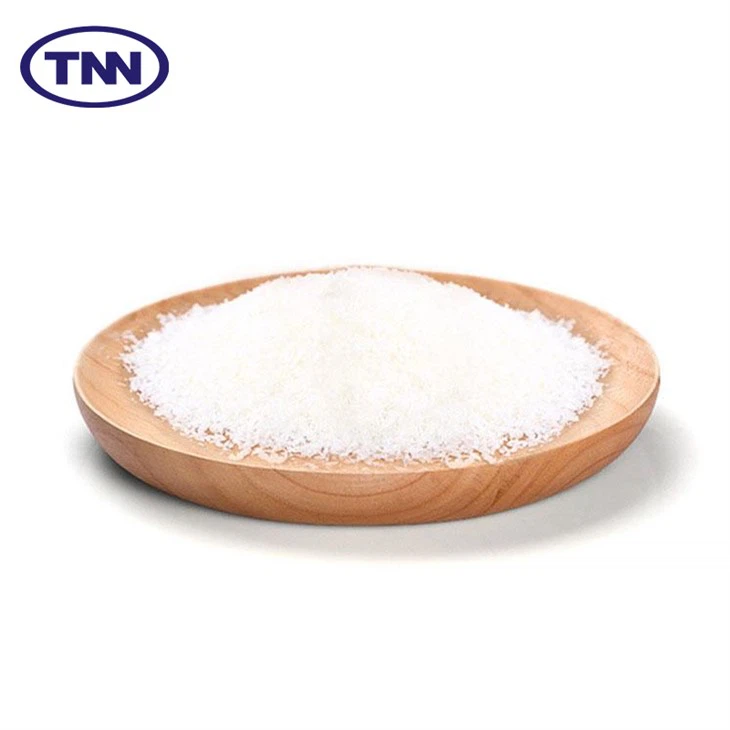
Understanding Aspartame
Aspartame is an artificial sweetener that is approximately 200 times sweeter than sucrose (table sugar). It is widely used in the food and beverage industry due to its low - calorie nature, making it an attractive option for those looking to reduce their sugar intake. Aspartame has been the subject of extensive scientific research, and numerous regulatory bodies around the world, such as the United States Food and Drug Administration (FDA) and the European Food Safety Authority (EFSA), have approved its use in food products within specified limits [1].
The chemical composition of aspartame consists of two amino acids, phenylalanine and aspartic acid, and a methanol molecule. When ingested, it is broken down into these components and is metabolized like protein. This means that for the general population, aspartame provides a negligible amount of calories when used in typical sweetening doses.
Halvah: A Traditional Sweet
Halvah is a traditional sweet that has a long history in various cultures, including Middle Eastern, Mediterranean, and Jewish cuisines. It is typically made from sesame seeds (tahini), sugar, and sometimes other ingredients such as nuts, milk, or chocolate. The process of making halvah involves cooking the tahini with sugar over low heat, which results in a thick, fudge - like consistency.
The traditional use of sugar in halvah adds a significant amount of calories and can contribute to blood sugar spikes. This is where the potential use of aspartame comes in. For consumers who are watching their sugar intake, whether due to diabetes, weight management, or other health reasons, a low - sugar or sugar - free halvah sweetened with aspartame could be an appealing option.
Feasibility of Using Aspartame in Halvah
One of the main considerations when using aspartame in halvah is its stability. Aspartame is heat - sensitive, and its sweetness can degrade when exposed to high temperatures for extended periods. In the traditional halvah - making process, the tahini and sugar are cooked over low heat. Depending on the exact temperature and duration of cooking, aspartame may or may not be suitable.
If the cooking temperature is carefully controlled and kept below the point at which aspartame starts to break down (around 80 - 100°C), it is possible to use aspartame in halvah. However, it is important to note that the cooking process should be closely monitored to ensure that the aspartame retains its sweetening properties.
Another aspect to consider is the flavor profile. Aspartame has a clean, sweet taste, but it can sometimes have a slightly different flavor compared to sugar. In halvah, which has a rich, nutty flavor from the tahini, the difference in flavor may or may not be noticeable. Some consumers may find the taste of aspartame - sweetened halvah to be just as enjoyable as the traditional version, while others may detect a subtle difference.
Advantages of Using Aspartame in Halvah
The most obvious advantage of using aspartame in halvah is the reduction in calorie content. Since aspartame is so much sweeter than sugar, only a small amount is needed to achieve the same level of sweetness. This can significantly lower the calorie count of the halvah, making it a more suitable option for those on a calorie - restricted diet.
For individuals with diabetes, aspartame does not raise blood sugar levels, unlike sugar. This means that they can enjoy halvah without having to worry about the negative impact on their blood glucose. Additionally, aspartame does not contribute to tooth decay, which is a concern for many consumers, especially those who are prone to cavities.
Potential Challenges and Solutions
As mentioned earlier, the heat - sensitivity of aspartame is a major challenge when using it in halvah. To overcome this, one solution is to add aspartame towards the end of the cooking process or after the halvah has cooled down. This way, the aspartame is not exposed to high temperatures for an extended period, and its sweetening properties are preserved.
Another challenge could be consumer perception. Some consumers may have concerns about the safety of artificial sweeteners, despite the extensive scientific research supporting their use. As a supplier, it is important to educate consumers about the safety and benefits of aspartame. Providing clear information about the regulatory approvals and the scientific studies can help alleviate these concerns.
Other Food Additives and Their Role
In addition to aspartame, there are other food additives that can be used in halvah production. For example, Resistant Dextrin Small Molecule Water - soluble For Dietary Products can be added to increase the fiber content of the halvah. Resistant dextrin is a type of dietary fiber that can improve digestion and help with satiety.
Bulk Tomato Paste Price may seem an unlikely addition to halvah, but in some regions, tomato paste is used to add a unique flavor and color to the sweet. It can also add natural antioxidants and vitamins to the product.
Citric Acid Anhydrous E330 can be used as a natural preservative and to adjust the acidity of the halvah. This can help extend the shelf - life of the product and improve its overall quality.
Conclusion
In conclusion, aspartame can be used in halvah, but it requires careful consideration of its heat - sensitivity and flavor profile. When used correctly, it offers numerous advantages, such as reduced calorie content, blood sugar control, and prevention of tooth decay. As a supplier, I am committed to providing high - quality aspartame and related information to assist halvah producers in creating innovative, low - sugar products.
If you are a halvah producer or a business looking to incorporate aspartame into your food products, I encourage you to reach out for further discussions. We can explore the best ways to use aspartame in your halvah production to meet the needs of your consumers and the requirements of your business.
References
[1] Food and Drug Administration. (n.d.). Aspartame. Retrieved from [FDA website].
[2] European Food Safety Authority. (n.d.). Scientific opinion on the re - evaluation of aspartame (E 951) as a food additive. Retrieved from [EFSA website].