

Can Propyl Glycol be used in aerosol products?
Jan 22, 2026
Hey there! As a supplier of Propyl Glycol, I often get asked a bunch of questions about its uses, and one that pops up quite a bit is, "Can Propyl Glycol be used in aerosol products?" Well, let's dive right into it and find out.
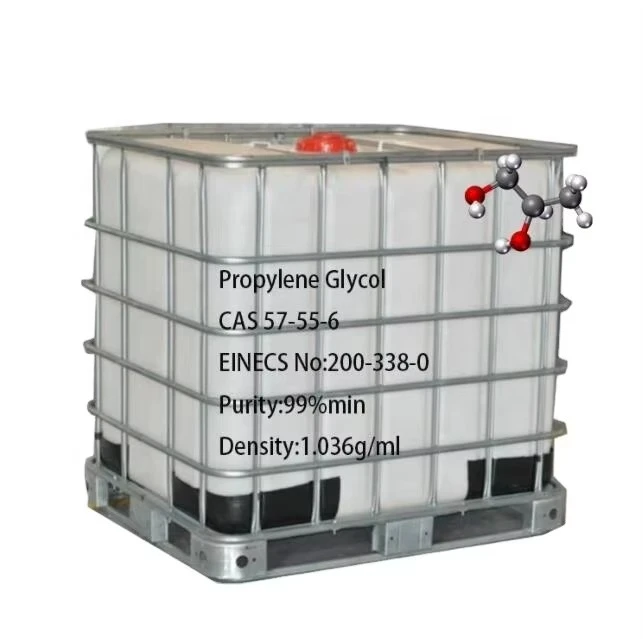
First off, what the heck is Propyl Glycol? It's a clear, colorless, and nearly odorless liquid. It's got some pretty cool properties that make it useful in a whole bunch of industries. It's a great solvent, which means it can dissolve other substances easily. It's also a humectant, so it helps things stay moist. And it's non - toxic, which is a huge plus when it comes to using it in products that might come into contact with people.
Now, let's talk about aerosol products. Aerosols are those products that come out in a fine mist when you press a button. Think of things like hairspray, deodorant, air fresheners, and even some cleaning products. These products usually have a propellant, which is what makes the liquid come out in a spray, and then there are the active ingredients and other additives.
So, can Propyl Glycol be used in these aerosol products? The answer is a big yes! There are several reasons why it's a great fit.
One of the main reasons is its solubility. A lot of the active ingredients in aerosol products need to be dissolved in a liquid before they can be sprayed. Propyl Glycol can dissolve a wide range of substances, whether they're oils, fragrances, or other chemicals. For example, in a perfume aerosol, Propyl Glycol can dissolve the essential oils that give the perfume its scent. This ensures that the scent is evenly distributed in the spray and that you get a consistent fragrance every time you use it.
Another reason is its humectant properties. In hairspray, for instance, Propyl Glycol can help keep your hair moist. When you spray hairspray on your hair, it can sometimes dry out the hair strands. But with Propyl Glycol in the formula, it helps to retain moisture, making your hair look and feel healthier. It also helps to prevent the hairspray from becoming too brittle and flaky, which is a common problem with some hair products.
In air fresheners, Propyl Glycol can play a crucial role in the delivery of the fragrance. It helps to keep the fragrance molecules suspended in the liquid, so when you spray the air freshener, the fragrance is released evenly into the air. And because it's non - toxic, you don't have to worry about any harmful fumes being released when you use the aerosol.
Now, let's talk about safety. As I mentioned earlier, Propyl Glycol is non - toxic. It's been approved by regulatory bodies for use in a variety of consumer products. The U.S. Food and Drug Administration (FDA) has classified it as "Generally Recognized as Safe" (GRAS) for use in food, drugs, and cosmetics. This means that when it's used in aerosol products, it meets the safety standards required for consumer use.
However, like with any chemical, there are some considerations. While Propyl Glycol is generally safe, some people might have an allergic reaction to it. But these cases are pretty rare. Also, it's important to use the right concentration of Propyl Glycol in aerosol products. If the concentration is too high, it could potentially cause skin irritation or other issues. But when formulated correctly, it's a safe and effective ingredient.
When it comes to the manufacturing process of aerosol products with Propyl Glycol, it's relatively straightforward. Manufacturers just need to make sure that they mix the Propyl Glycol with the other ingredients properly. They usually start by dissolving the active ingredients in the Propyl Glycol and then add the propellant and other additives. The mixture is then filled into aerosol cans, and the valve is sealed.
Now, I also want to mention some other related chemicals that are used in the same kind of industries. For example, Cobalt Sulfate Heptahydrate is used in some industrial applications and can sometimes be found in the manufacturing of certain aerosol products where it might act as a catalyst. Sodium Nitrate is another chemical that has various uses, and in some cases, it can be used in the formulation of aerosol products for specific functions. And Malonic Acid is used in the synthesis of some organic compounds that might be part of the active ingredients in aerosol products.
If you're in the business of manufacturing aerosol products or are just curious about using Propyl Glycol in your formulations, I'd love to hear from you. We're a reliable supplier of high - quality Propyl Glycol, and we can work with you to meet your specific needs. Whether you need a small quantity for testing or a large - scale supply for mass production, we've got you covered.
In conclusion, Propyl Glycol is a versatile and valuable ingredient for aerosol products. Its solubility, humectant properties, and safety make it a great choice for a wide range of applications. So, if you're looking to improve the performance of your aerosol products, give Propyl Glycol a try. And don't hesitate to reach out to us if you have any questions or want to discuss your procurement options.
References
- U.S. Food and Drug Administration. "Generally Recognized as Safe (GRAS)."
- Various industry reports on aerosol product formulations.