

How do feed additives interact with each other?
Jun 24, 2026
Hey there! I'm working for a feed additives supplier, and today I wanna chat about how feed additives interact with each other. It's a super interesting topic that can have a huge impact on animal nutrition and health.
First off, let's understand why we use feed additives in the first place. Feed additives are substances added to animal feed in small quantities to improve its quality, enhance animal performance, or prevent diseases. They can include things like vitamins, minerals, amino acids, antibiotics (in some cases), and various other compounds.
Now, when it comes to how these additives interact, it can be a bit of a complex dance. Some additives work together synergistically, which means their combined effect is greater than the sum of their individual effects. For example, certain vitamins and minerals often work hand - in - hand. Vitamin D helps with the absorption of calcium and phosphorus in animals. So, when you add vitamin D and calcium or phosphorus - containing additives to the feed, they interact in a way that promotes better bone development and overall skeletal health in the animals.
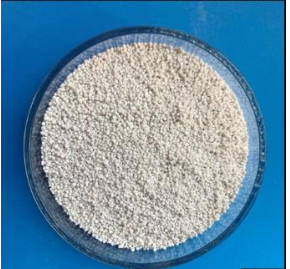
Let's take a look at some specific additives and their interactions. One of the commonly used additives is Monodicalcium Phosphate. Monodicalcium phosphate is an important source of phosphorus and calcium for animals. Phosphorus is crucial for energy metabolism, bone formation, and many other physiological processes. Calcium, on the other hand, is essential for muscle function, nerve transmission, and, of course, bone strength.
When monodicalcium phosphate is used in combination with other vitamin and mineral additives, it can have a significant impact on animal growth and development. For instance, if you pair it with vitamin A, it can enhance the immune system of the animals. Vitamin A plays a key role in maintaining the integrity of epithelial tissues, which act as a barrier against pathogens. The calcium and phosphorus from monodicalcium phosphate support the overall physiological functions that the immune system relies on.
Another interesting additive is MDCP. MDCP is similar to monodicalcium phosphate but may have some unique properties. It can interact with amino acid additives. Amino acids are the building blocks of proteins, and they are essential for muscle growth, repair, and overall body function in animals. When MDCP is present in the feed along with amino acids, it can help in optimizing protein utilization. The phosphorus from MDCP is involved in energy - related reactions that are necessary for the synthesis of proteins from amino acids. So, the animals can make better use of the amino acids in their diet, leading to improved growth rates and better body condition.
Now, not all interactions between feed additives are positive. Some additives can have antagonistic effects. For example, certain trace minerals can compete with each other for absorption in the animal's gut. Zinc and copper are two such minerals. If the levels of zinc in the feed are too high, it can interfere with the absorption of copper. This is because they both use similar transport mechanisms in the intestinal cells. So, as a feed additives supplier, we need to be very careful when formulating feeds to ensure that the levels of these competing additives are balanced correctly.
Calcium propionate is another important additive. It's mainly used as a mold inhibitor in feed. TNN Application Of Calcium Propionate provides more in - depth information about its uses. When calcium propionate is used in combination with other additives, we need to consider its potential interactions. For example, it can interact with some enzymes in the feed. If the feed contains enzyme additives that are used to improve nutrient digestibility, calcium propionate may affect their activity. In some cases, high levels of calcium propionate can reduce the effectiveness of certain enzymes. So, we have to find the right balance to ensure that both the mold - inhibiting function and the enzyme - mediated nutrient digestion are optimized.
In addition to the chemical and physiological interactions, we also need to think about the physical interactions between feed additives. Some additives may clump together or react with the feed matrix in a way that can affect their dispersion and availability to the animals. For example, if a powder additive is not properly mixed with the feed, it may form pockets of concentrated additive, which can either lead to over - dosing or under - dosing in different parts of the feed.

As a feed additives supplier, we conduct a lot of research and testing to understand these interactions better. We work with animal nutritionists and veterinarians to develop feed additive combinations that are safe and effective. We also keep an eye on the latest scientific studies to stay updated on new findings about additive interactions.
When it comes to formulating feeds for different types of animals, the interactions can vary even more. For example, the requirements and interactions of additives in poultry feeds are different from those in swine or ruminant feeds. Poultry have a relatively high requirement for certain vitamins and minerals for egg production and growth. In ruminants, the presence of a rumen means that the additives need to be able to withstand the unique microbial environment in the rumen and interact properly with the rumen microbes.
So, if you're a farmer, a feed miller, or someone involved in the animal nutrition industry, understanding these interactions is crucial. You want to make sure that the feed you're using or producing is providing the best possible nutrition for the animals. And that's where we, as a feed additives supplier, come in.
We offer a wide range of high - quality feed additives, and we can help you figure out the right combinations for your specific needs. Whether you're looking to improve animal growth, enhance immune function, or prevent mold in the feed, we have the expertise and the products to support you.
If you're interested in learning more about our feed additives or want to start a discussion about the best additive combinations for your animals, don't hesitate to reach out. We're always happy to have a chat and help you find the solutions that work best for your operation.
References
- National Research Council. (Year). Nutrient Requirements of [Animal Species]. National Academies Press.
- Various scientific journals on animal nutrition and feed additives, such as the Journal of Animal Science and the Journal of Applied Poultry Research.