

How do you prepare an EDTA solution?
Sep 24, 2026
Preparing an EDTA solution is a common yet crucial procedure in various scientific and industrial applications. As an EDTA supplier, I'm well - versed in the process and excited to share the detailed steps with you.

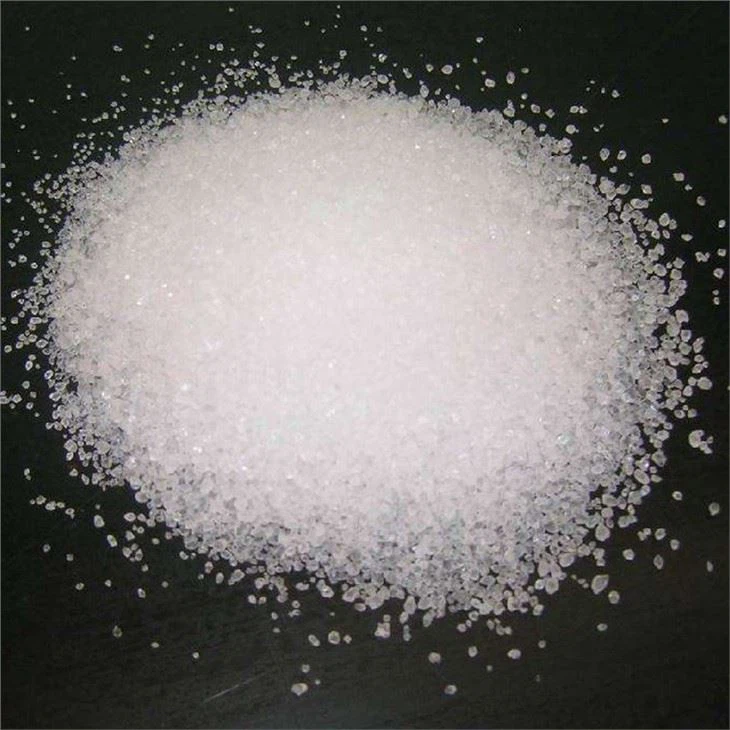
Understanding EDTA
Ethylenediaminetetraacetic acid (EDTA) is a widely used chelating agent. It has the ability to bind metal ions, such as calcium, magnesium, and iron, through its four carboxyl groups and two amino groups. This property makes it useful in many fields, including medicine, food industry, and analytical chemistry.
Materials Needed
- EDTA powder: Make sure to use high - quality EDTA powder, which is available in different purities. As a supplier, we ensure that our EDTA powder meets the highest standards of quality.
- Distilled water: This is essential to avoid any impurities that could affect the solution's properties.
- A balance: To accurately measure the amount of EDTA powder.
- A volumetric flask: To prepare the solution with a precise volume.
- A stirrer: To ensure the EDTA powder is completely dissolved in the water.
Step - by - Step Preparation
-
Calculate the Amount of EDTA
The first step is to determine the concentration of the EDTA solution you need. For example, if you want to prepare a 0.1 M EDTA solution, you need to calculate the amount of EDTA powder required. The molar mass of EDTA is approximately 292.24 g/mol. For a 0.1 M solution in 1 liter of water, you would need (0.1\ mol\times292.24\ g/mol = 29.224\ g) of EDTA powder. -
Weigh the EDTA Powder
Using a balance, carefully weigh the calculated amount of EDTA powder. Make sure the balance is calibrated correctly to ensure accurate measurement. -
Add EDTA to the Volumetric Flask
Transfer the weighed EDTA powder into a volumetric flask. The volumetric flask should be clean and dry to avoid any contamination. -
Add Distilled Water
Slowly add distilled water to the volumetric flask. Do not fill it to the mark immediately. Use a stirrer to start dissolving the EDTA powder. EDTA is not very soluble in water at neutral pH. You may need to adjust the pH to around 8.0 by adding a small amount of sodium hydroxide (NaOH) solution. This will help the EDTA dissolve more easily. -
Adjust the Volume
Once the EDTA is completely dissolved, add more distilled water to the volumetric flask until the bottom of the meniscus reaches the calibration mark. Make sure to view the meniscus at eye - level for an accurate reading. -
Mix Thoroughly
Cap the volumetric flask and invert it several times to ensure a homogeneous solution.
Factors Affecting the Preparation
- pH: As mentioned earlier, the solubility of EDTA is highly dependent on pH. At low pH, EDTA exists in its protonated form, which is less soluble. Adjusting the pH to a more alkaline range can significantly improve its solubility.
- Temperature: Higher temperatures can increase the solubility of EDTA. However, it's important to note that excessive heat may cause some decomposition of EDTA. Therefore, it's recommended to dissolve EDTA at room temperature or slightly above.
Applications of EDTA Solutions
- Medical Field: EDTA solutions are used in blood collection tubes to prevent blood clotting by chelating calcium ions. It is also used in some medical treatments for heavy metal poisoning.
- Food Industry: EDTA is used as a preservative to prevent the oxidation of food products. It can also be used to control the hardness of water in food processing. For more information on other food additives, you can check out Sodium Citrate Dihydrate Food Grade Powder Manufacturer Price, Aspartame CAS 22839 - 47 - 0, and Disodium 5’ - Ribonucleotide Powder.
- Analytical Chemistry: EDTA solutions are commonly used in titration to determine the concentration of metal ions in a sample.
Quality Control
As an EDTA supplier, we understand the importance of quality control. Before supplying our EDTA powder, we conduct a series of tests to ensure its purity and quality. We also provide detailed product specifications and certificates of analysis to our customers.
Storage of EDTA Solutions
Once the EDTA solution is prepared, it should be stored in a clean, tightly - sealed container. It is recommended to store the solution at room temperature, away from direct sunlight. Over time, the solution may absorb carbon dioxide from the air, which can affect its pH and chelating ability. Therefore, it's a good practice to check the pH of the solution periodically and adjust it if necessary.
Troubleshooting
- Insoluble EDTA: If you find that the EDTA powder is not dissolving completely, check the pH of the solution. As mentioned earlier, adjusting the pH to around 8.0 can improve solubility. You can also try heating the solution slightly, but be careful not to overheat it.
- Cloudy Solution: A cloudy solution may indicate the presence of impurities. Make sure you are using high - quality EDTA powder and distilled water. If the cloudiness persists, you may need to filter the solution.
Conclusion
Preparing an EDTA solution requires careful attention to detail, from calculating the amount of EDTA to ensuring proper storage. As an EDTA supplier, we are committed to providing high - quality products and technical support to our customers. If you are interested in purchasing EDTA or have any questions about its preparation or application, please feel free to contact us for further discussions and procurement negotiations.
References
- Harris, D. C. (2010). Quantitative Chemical Analysis. W. H. Freeman and Company.
- Dean, J. A. (1995). Lange's Handbook of Chemistry. McGraw - Hill.