

How does aspartame affect blood pressure?
Aug 05, 2026
Over the years, aspartame has been a subject of much debate in the health and nutrition community. As a well - established aspartame supplier, we understand the importance of addressing concerns related to its safety and potential effects on health, particularly blood pressure. In this blog, we will explore the scientific evidence surrounding how aspartame affects blood pressure.
Aspartame: A Brief Introduction
Aspartame is an artificial sweetener that is approximately 180 - 220 times sweeter than sucrose (table sugar). It was discovered in 1965 and has since been used in a wide range of food and beverage products, including diet sodas, sugar - free chewing gums, and low - calorie desserts. Due to its high sweetness intensity, only a small amount of aspartame is needed to achieve the desired level of sweetness, which makes it a popular choice for those looking to reduce their calorie intake.

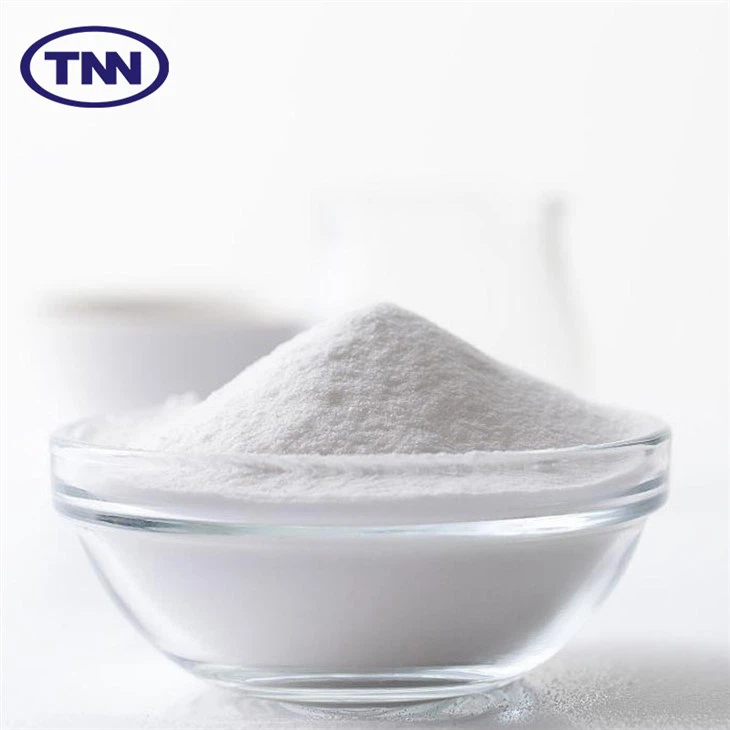
The Hypothesis Linking Aspartame to Blood Pressure
Some concerns have been raised that aspartame may have an impact on blood pressure. One proposed mechanism is that aspartame is metabolized into phenylalanine, aspartic acid, and methanol in the body. Methanol can be further broken down into formaldehyde and formic acid. It is hypothesized that these breakdown products could potentially interfere with the normal physiological processes that regulate blood pressure, such as the function of the blood vessels and the endocrine system.
However, it is important to note that the human body is well - equipped to handle small amounts of these substances. Under normal circumstances, the amount of methanol produced from aspartame consumption is far below the safety threshold. Moreover, the metabolism of methanol in the body is a highly regulated process that generally does not lead to the accumulation of harmful by - products.
Scientific Studies on Aspartame and Blood Pressure
Numerous scientific studies have been conducted to investigate the relationship between aspartame consumption and blood pressure.
A large - scale, long - term cohort study followed thousands of participants over a period of several years. These participants were divided into different groups based on their aspartame consumption levels, ranging from none to high levels. At the end of the study, the researchers found no significant difference in blood pressure changes across the groups. This suggests that, at least in the general population, aspartame consumption does not seem to have a direct, long - term impact on blood pressure.
Another randomized, double - blind, placebo - controlled trial focused specifically on individuals with hypertension. The participants were given either a beverage containing aspartame or a placebo beverage for a certain period. The results showed that there was no significant change in their systolic or diastolic blood pressure between the two groups. This indicates that even for those with pre - existing high blood pressure, aspartame may not pose an additional risk to blood pressure regulation.
However, it is worth mentioning that a few small - scale studies have reported associations between aspartame consumption and temporary blood pressure fluctuations in some individuals. These studies often had limitations, such as a small sample size or potential confounding factors. For example, some participants may have other dietary or lifestyle habits that could have influenced their blood pressure results.
Aspartame in a Balanced Diet
In a balanced diet, aspartame can be a useful tool for managing calorie intake, especially for people with diabetes or those trying to lose weight. When used in moderation, aspartame is considered safe by major regulatory agencies around the world, including the U.S. Food and Drug Administration (FDA) and the European Food Safety Authority (EFSA).
It is important to remember that blood pressure is influenced by a variety of factors, including genetics, diet (beyond just sweeteners), physical activity, smoking, and stress. A diet high in sodium, saturated fats, and low in fruits, vegetables, and whole grains can contribute to high blood pressure more significantly than the occasional consumption of aspartame - containing products.
Complementary Food Additives in the Market
As a leading player in the food additive industry, we also offer other high - quality products such as STPP 7758 - 29 - 4, Glycerol Monostearate, and Nisin. STPP 7758 - 29 - 4 is often used as a sequestrant, emulsifier, and quality improver in food products. Glycerol Monostearate is a common emulsifier that helps to keep oil and water - based ingredients mixed together in food formulations. Nisin is a natural preservative that can extend the shelf - life of many food products without the need for harsh chemical additives.
Addressing Concerns and Offering Safety
We understand that consumers may have concerns about aspartame and other food additives. That's why we adhere to strict quality control standards and regulatory requirements in all our production processes. Our aspartame is produced in state - of - the - art facilities, and we conduct rigorous testing to ensure its safety and quality.
We also keep a close eye on the latest scientific research and are committed to providing our customers with the most up - to - date information. If new studies emerge that suggest changes in the understanding of aspartame's effects on blood pressure or other health aspects, we will be the first to evaluate and share the information with our clients.
Encouraging Contact for Purchase and Discussion
If you are interested in our aspartame products or any of the complementary food additives we offer, we invite you to contact us for further information. We are always ready to discuss your specific needs, answer any questions you may have about our products, and provide samples for testing. Whether you are a food manufacturer, a distributor, or a researcher, we are confident that our high - quality products can meet your requirements.
References
- American Heart Association. Dietary Recommendations for High Blood Pressure Management.
- Food and Drug Administration (FDA). “Questions and Answers on Aspartame”.
- European Food Safety Authority (EFSA). Scientific Opinion on the re - evaluation of aspartame (E 951) as a food additive.
- Various peer - reviewed scientific journals on nutrition, food science, and hypertension research.