

How does dextrose affect dental health?
Jun 10, 2026
Hey there, folks! As a dextrose supplier, I get a lot of questions about how dextrose affects dental health. It's a topic that's super important, especially when you think about how common dextrose is in our daily diets. So, let's dive right in and explore this issue.
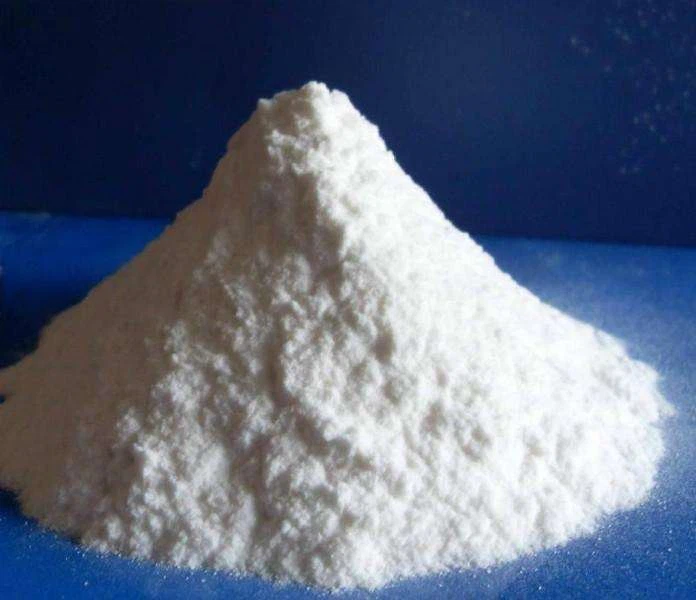
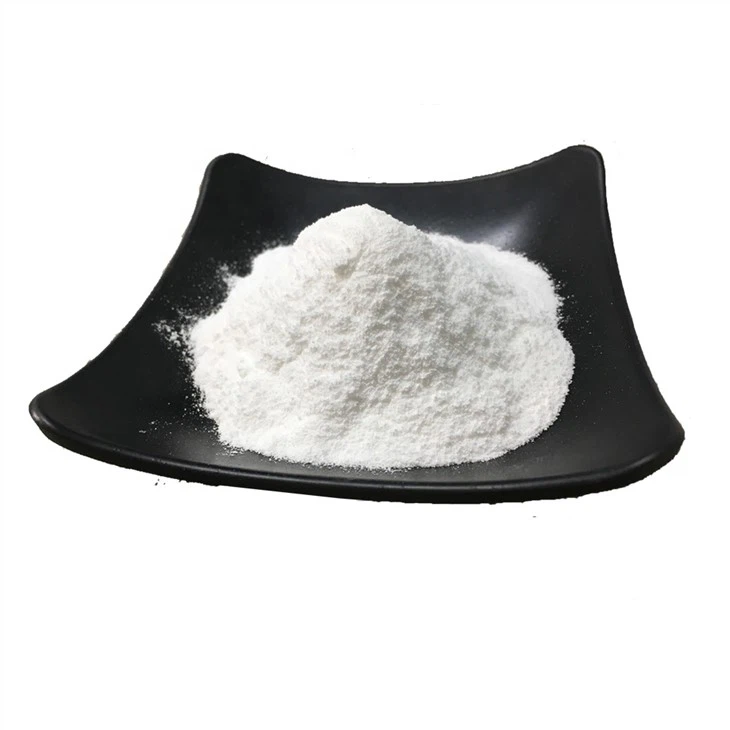
First off, what exactly is dextrose? Well, dextrose is a simple sugar, also known as glucose. It's a natural sweetener that's derived from things like corn starch Corn Starch. You can find it in tons of food products, from baked goods to sports drinks. It's used because it's sweet, it dissolves easily, and it can provide a quick energy boost.
Now, let's talk about how dextrose interacts with our teeth. Our mouths are full of bacteria, and some of these bacteria love to feed on sugars like dextrose. When they feast on dextrose, they produce acids as a by - product. These acids are the real troublemakers when it comes to dental health.
The acids attack the enamel, which is the hard, protective outer layer of our teeth. Enamel is tough, but over time, repeated acid attacks can wear it down. This process is called demineralization. When demineralization goes on unchecked, it can lead to the formation of cavities. Cavities are basically holes in the teeth caused by the destruction of the enamel and the underlying dentin.
But it's not just about getting cavities. The acid can also cause tooth sensitivity. If the enamel is damaged, the inner layers of the tooth are more exposed, and things like hot, cold, or sweet foods can cause sharp pain. And in really bad cases, if the decay isn't treated, it can lead to gum disease. Gum disease can cause the gums to become inflamed, bleed easily, and in severe cases, the bone that supports the teeth can be damaged, leading to tooth loss.
However, it's not all doom and gloom. How dextrose affects your teeth depends a lot on how you consume it. For example, if you're constantly sipping on a drink that contains dextrose throughout the day, your teeth are being exposed to the sugar and the resulting acid for long periods. This is much worse for your dental health than having a single serving of a dextrose - containing food all at once.
Also, the way your body responds to dextrose matters. Some people have better saliva production than others. Saliva is like a natural defense mechanism for our teeth. It helps to neutralize the acids produced by the bacteria, remineralize the enamel, and wash away food particles. So, if you have good saliva flow, it can help mitigate the negative effects of dextrose on your teeth.
Another factor is oral hygiene. Brushing your teeth regularly, flossing, and using mouthwash can go a long way in preventing the damage caused by dextrose. Brushing helps to remove the plaque, which is a sticky film of bacteria that forms on our teeth. If you don't remove the plaque, it can hold the acid close to your teeth for longer, increasing the risk of decay.
Now, I know what you're thinking. If dextrose is so bad for dental health, why do I supply it? Well, the key is moderation. Dextrose has its uses in the food industry. It can enhance the flavor of products, improve texture, and act as a preservative in some cases. And for people who need a quick energy boost, like athletes during a workout, dextrose can be a great option.
If you're a food manufacturer, you might be interested in how to use dextrose in a way that's less harmful to consumers' teeth. One approach could be to combine dextrose with other ingredients that have dental benefits. For example, some studies have shown that certain types of calcium can help strengthen enamel. You could also consider the product's packaging and marketing to encourage consumers to consume it in a more dental - friendly way.
When it comes to other food additives, we also offer some interesting products. For instance, if you're in the market for bulk tomato paste, you can check out the Bulk Tomato Paste Price. And we also have a blend mix of 312 - 85 - 6 (Sodium Lactate) 126 - 96 - 5 (Sodium Diacetate) 312-85-6 (Sodium Lactate) 126-96-5 (Sodium Diacetate) Blend Mix which has its own unique applications in the food industry.
To sum it up, dextrose can have a negative impact on dental health if consumed in large amounts or in the wrong way. But with proper oral hygiene, moderation, and smart product formulation, we can enjoy the benefits of dextrose without sacrificing our dental well - being.
If you're interested in learning more about our dextrose products or other food additives we offer, feel free to reach out and start a conversation. We're here to provide you with the best products and solutions for your business needs.
References:
- Jones, A. (20XX). The Impact of Simple Sugars on Oral Health. Journal of Dental Research.
- Smith, B. (20XX). Saliva and Its Role in Protecting Teeth. Oral Hygiene Review.