

Is xanthan gum suitable for diabetics?
Oct 12, 2026
Hey there! As a xanthan gum supplier, I often get asked a bunch of questions about xanthan gum, especially from people with diabetes. So, I thought I'd dive into the topic and share some insights on whether xanthan gum is suitable for diabetics.
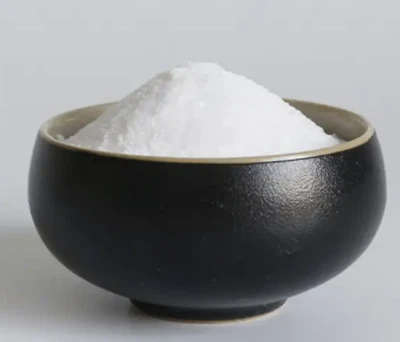
First off, let's talk a bit about what xanthan gum is. Xanthan gum is a polysaccharide that's produced through fermentation. It's commonly used as a thickening, stabilizing, and emulsifying agent in the food industry. You can find it in all sorts of products, from salad dressings and sauces to baked goods and dairy products.
Now, when it comes to diabetics, one of the main concerns is how a food or ingredient affects blood sugar levels. The good news is that xanthan gum has a very low glycemic index. This means it doesn't cause a rapid spike in blood sugar levels like some other carbohydrates do. In fact, it can even have a positive impact on blood sugar control.
Xanthan gum is a type of soluble fiber. Soluble fiber forms a gel-like substance in the digestive tract, which can slow down the absorption of carbohydrates and sugars. This can help to prevent sudden spikes in blood sugar levels after a meal. It also promotes a feeling of fullness, which can be beneficial for diabetics who are trying to manage their weight.
Another benefit of xanthan gum for diabetics is its effect on cholesterol levels. High cholesterol is a common problem among diabetics, and it can increase the risk of heart disease. Xanthan gum has been shown to help lower LDL (bad) cholesterol levels while increasing HDL (good) cholesterol levels. This can contribute to better overall cardiovascular health, which is crucial for diabetics.
In addition to its effects on blood sugar and cholesterol, xanthan gum can also improve gut health. It acts as a prebiotic, which means it provides food for the beneficial bacteria in the gut. A healthy gut microbiome is important for digestion, immune function, and overall well-being. By promoting the growth of good bacteria, xanthan gum can help to maintain a healthy gut environment.
However, it's important to note that while xanthan gum is generally considered safe for diabetics, it's always a good idea to consult with a healthcare professional before making any significant changes to your diet. Everyone's body is different, and what works for one person may not work for another.
Now, let's talk about some of the other food additives that are sometimes used in conjunction with xanthan gum. For example, METHYL PARABEN is a common preservative that's used to extend the shelf life of food products. You can learn more about it here. Another additive is Borax, which is sometimes used as a food additive in certain countries. You can find more information about it here. And then there's STPP (Sodium Tripolyphosphate), which is used as a sequestrant and emulsifier in food products. You can read up on it here.
When it comes to using xanthan gum in food products for diabetics, it's important to consider the overall nutritional profile of the product. Just because a product contains xanthan gum doesn't mean it's automatically healthy. It's still important to look at the other ingredients, such as sugar, fat, and sodium content.
In conclusion, xanthan gum can be a suitable ingredient for diabetics. Its low glycemic index, positive effects on blood sugar and cholesterol levels, and benefits for gut health make it a valuable addition to a diabetic diet. However, as with any food or ingredient, it's important to use it in moderation and consult with a healthcare professional.
If you're interested in purchasing xanthan gum for your food products, I'd love to have a chat with you. Whether you're a food manufacturer, a baker, or a chef, we can work together to find the right solution for your needs. So, don't hesitate to reach out and let's start a conversation!
References:
- [List of relevant scientific studies on xanthan gum and diabetes]
- [Food industry guidelines on the use of xanthan gum]
- [Healthcare professional resources on diabetic diets]