

What are the cost factors associated with MCP?
Oct 16, 2026
As a supplier of MCP (Monocalcium Phosphate), I've had the privilege of delving deep into the world of this essential feed additive. MCP is widely used in the animal feed industry, providing a rich source of phosphorus and calcium for livestock and poultry. However, understanding the cost factors associated with MCP is crucial for both suppliers like myself and our customers. In this blog, I'll explore the various elements that contribute to the cost of MCP and how they impact the market.
Raw Material Costs
One of the primary cost factors for MCP is the raw materials used in its production. The main ingredients for MCP are phosphate rock and sulfuric acid. Phosphate rock is a non - renewable resource, and its price can fluctuate significantly due to factors such as mining regulations, geopolitical issues, and global demand. For instance, if there are disruptions in major phosphate - producing regions, the supply of phosphate rock can be reduced, leading to an increase in its price.
Sulfuric acid is another key raw material. Its cost is influenced by the price of sulfur, which is often a by - product of the oil and gas industry. Fluctuations in the oil and gas market can, therefore, have a direct impact on the cost of sulfuric acid. As a supplier, I constantly monitor the prices of these raw materials to ensure that we can offer competitive prices to our customers. When the cost of raw materials rises, it is inevitable that the price of MCP will also increase to maintain profitability.
Production Process
The production process of MCP also plays a significant role in determining its cost. The manufacturing of MCP involves a series of chemical reactions, which require energy, labor, and specialized equipment. Energy costs, such as electricity and natural gas, are a major component of the production cost. Any increase in energy prices can lead to a rise in the cost of producing MCP.
Labor costs are another important factor. Skilled workers are needed to operate the production equipment, monitor the chemical reactions, and ensure the quality of the final product. In regions where labor is expensive, the production cost of MCP will be higher. Additionally, the maintenance and depreciation of production equipment also contribute to the overall cost. Regular maintenance is necessary to keep the equipment in good working condition, and the cost of replacing old or worn - out equipment can be substantial.
Quality and Purity
The quality and purity of MCP are crucial for its effectiveness in animal feed. Higher - quality MCP with a higher level of purity generally commands a higher price. Customers are willing to pay more for MCP that meets strict quality standards because it ensures better animal health and performance.
To produce high - quality MCP, additional processing steps may be required, such as purification and filtration. These processes add to the production cost. For example, using advanced purification techniques can remove impurities and ensure a more consistent product, but it also requires more resources and time. As a supplier, we invest in quality control measures to ensure that our TNN Calcium dihydrogen phosphate MCP meets the highest standards, which, in turn, affects the cost.
Packaging and Transportation
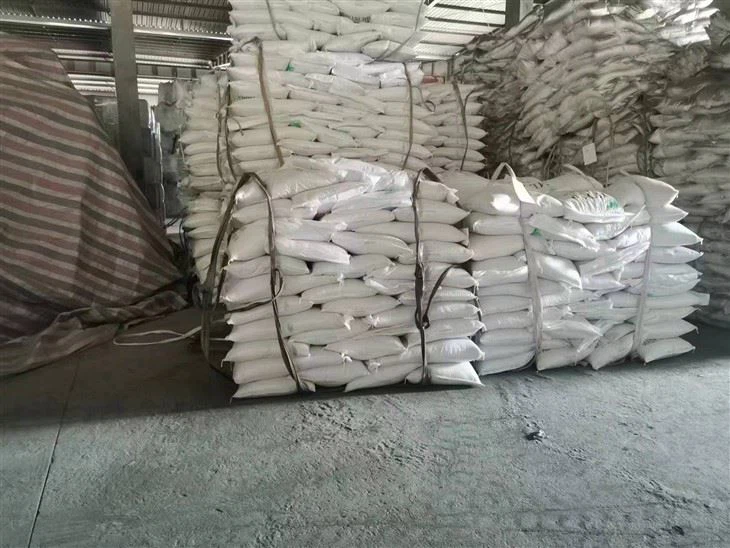
Packaging and transportation costs are often overlooked but can have a significant impact on the final price of MCP. The packaging of MCP needs to be sturdy and protective to prevent damage during storage and transportation. Different types of packaging, such as bags or bulk containers, have different costs. For example, high - quality bags with good sealing properties can be more expensive but are necessary to maintain the quality of the product.
Transportation costs are also a major factor. The distance between the production facility and the customer, as well as the mode of transportation, can affect the cost. Shipping MCP over long distances by sea or land can be costly, especially if there are additional handling fees or customs duties. As a supplier, we try to optimize our transportation routes and methods to reduce costs, but these costs are ultimately passed on to the customers to some extent.
Market Demand and Competition
The market demand for MCP and the level of competition in the industry also influence its cost. When the demand for MCP is high, such as during peak livestock production seasons, the price tends to increase. This is because suppliers may have limited capacity to meet the sudden surge in demand, and they can charge higher prices.
On the other hand, intense competition can put downward pressure on prices. There are many MCP suppliers in the market, and each one tries to offer competitive prices to attract customers. As a supplier, we need to balance the need to maintain profitability with the need to be competitive. We often offer discounts or promotions to customers, especially those who place large orders.

Regulatory and Compliance Costs
The feed industry is subject to various regulations and compliance requirements. These regulations are in place to ensure the safety and quality of animal feed products. As a MCP supplier, we need to comply with these regulations, which can add to the cost of production.
For example, we need to conduct regular quality testing to ensure that our MCP meets the required standards. We also need to maintain proper documentation and records to demonstrate compliance. Any non - compliance can result in fines or other penalties, which is an additional cost that we need to factor into the price of MCP.
Impact on Customers
The cost factors associated with MCP have a direct impact on our customers, who are mainly in the animal feed industry. Higher MCP costs can lead to increased feed production costs, which may be passed on to consumers in the form of higher prices for meat, dairy, and other animal products.
However, it's important to note that the benefits of using high - quality MCP often outweigh the cost. MCP provides essential nutrients for animals, which can improve their growth, health, and productivity. Customers who invest in high - quality MCP can expect better results in terms of animal performance, which can ultimately lead to higher profits.
Application and Alternatives
In addition to the cost factors, it's also important to consider the application of MCP and its alternatives. TNN Application Of Calcium Propionate is another important feed additive, and understanding its relationship with MCP can help customers make informed decisions.
There are also alternatives to MCP, such as MDCP (Dicalcium Phosphate). MDCP has different properties and cost structures compared to MCP. Some customers may choose MDCP over MCP based on factors such as price, availability, and specific animal requirements.
Conclusion
In conclusion, the cost of MCP is influenced by a variety of factors, including raw material costs, production processes, quality, packaging, transportation, market demand, competition, and regulatory compliance. As a supplier, we strive to manage these costs effectively to offer our customers high - quality MCP at competitive prices.
If you're interested in purchasing MCP for your animal feed business, we'd be more than happy to discuss your specific needs. Contact us to start a procurement discussion and discover how our TNN Calcium dihydrogen phosphate MCP can meet your requirements.
References
- "Feed Additives Handbook", various authors
- Industry reports on phosphate and feed additive markets