

What is the role of STPP in textile processing?
Sep 02, 2026
Hey there! As a supplier of Sodium Tripolyphosphate (STPP), I'm super stoked to chat about its role in textile processing. STPP is a real game - changer in the textile world, and I'm here to break down why.
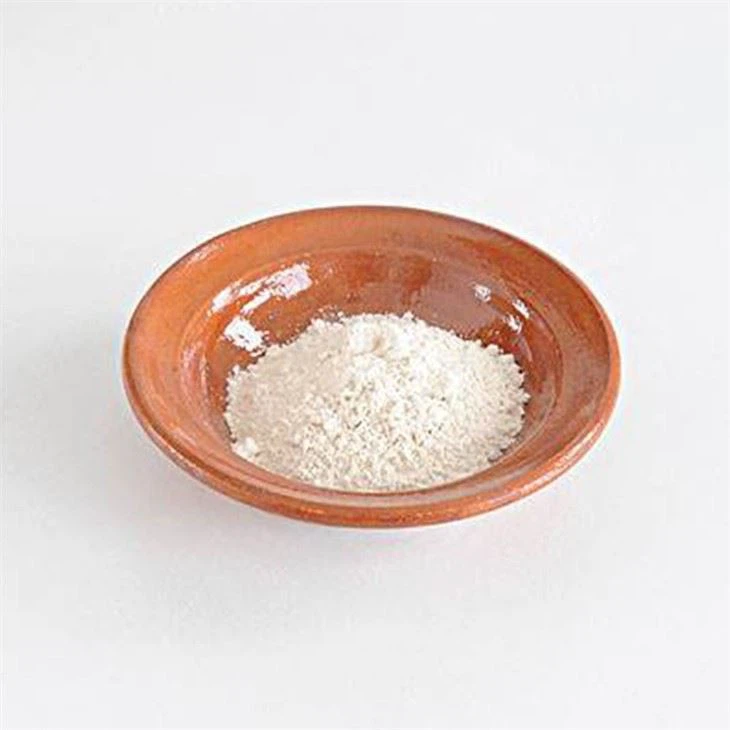
Let's start with what STPP is. STPP, or Sodium Tripolyphosphate, is a white, granular or crystalline solid. It's widely used in various industries, and the textile industry is no exception. You can learn more about it here.
Softening the Water
One of the primary roles of STPP in textile processing is water softening. In textile mills, water is used in almost every step of the process, from washing the raw fibers to dyeing and finishing the fabric. But the problem is, most water sources contain hard minerals like calcium and magnesium ions. These hard - water ions can react with dyes, detergents, and other chemicals used in textile processing, causing a whole bunch of issues.
When STPP is added to the water, it forms stable complexes with the calcium and magnesium ions. This process, known as sequestration, effectively removes these ions from the water, softening it. Soft water is crucial because it allows dyes to be evenly distributed on the fabric, resulting in more consistent and vibrant colors. It also helps detergents work more efficiently during the washing and scouring processes. Without STPP, the hard - water ions could cause the dyes to precipitate or form lumps, leading to uneven coloration and poor - quality fabrics.
Detergency and Cleaning
STPP is a key ingredient in textile detergents. It enhances the cleaning power of these detergents in several ways. First, as we mentioned earlier, by softening the water, it allows the detergents to work better. Second, STPP has excellent emulsifying and dispersing properties. In textile processing, fabrics often get contaminated with oils, greases, and dirt during the manufacturing process.
STPP helps to break up these contaminants into smaller particles, making them easier to remove from the fabric. It also prevents the redeposition of these dirt particles back onto the fabric during the washing process. This means that the fabrics come out cleaner, with a brighter appearance. Whether it's natural fibers like cotton or synthetic fibers like polyester, STPP - enhanced detergents can effectively clean them, making them ready for the next stage of processing.
pH Regulation
Maintaining the right pH level is crucial in textile processing. Different processes, such as scouring, bleaching, and dyeing, require specific pH conditions to work effectively. STPP can act as a pH buffer, helping to keep the pH of the processing solutions stable.
For example, in the scouring process, which is used to remove impurities from the raw fibers, an alkaline environment is often required. STPP can help to maintain the alkalinity of the scouring solution, ensuring that the impurities are effectively removed without damaging the fibers. In the dyeing process, the pH can affect the color uptake and fastness of the dye on the fabric. By using STPP as a pH buffer, textile manufacturers can achieve more consistent and predictable dyeing results.
Anti - Redeposition Agent
During the washing and rinsing processes in textile processing, there's always a risk of dirt and contaminants being redeposited back onto the fabric. STPP acts as an anti - redeposition agent, preventing this from happening. It forms a protective layer on the fabric surface, which repels the dirt particles and keeps them suspended in the washing solution.

This is especially important when dealing with large - scale textile production, where multiple batches of fabrics are washed in the same solution. Without an effective anti - redeposition agent like STPP, the fabrics could become re - soiled, leading to a decrease in quality and an increase in production costs.
Comparison with Other Additives
Now, you might be wondering how STPP compares to other additives used in textile processing. Let's take a look at Borax and Chitosan Food Grade.
Borax is also used in textile processing for some of the same reasons as STPP, such as water softening and pH regulation. However, STPP generally offers better sequestering properties, especially when it comes to removing calcium and magnesium ions from hard water. This means that STPP can provide more consistent water - softening results, which is crucial for achieving high - quality dyeing and finishing.
Chitosan Food Grade, on the other hand, is often used for its antibacterial and antifungal properties in textile processing. While it has some unique benefits, it doesn't have the same comprehensive range of functions as STPP. STPP's ability to soften water, enhance detergency, regulate pH, and act as an anti - redeposition agent makes it a more versatile additive for textile processing.
Environmental Considerations
In recent years, there has been a growing concern about the environmental impact of chemicals used in textile processing. STPP has faced some criticism due to its potential to cause eutrophication in water bodies. Eutrophication occurs when excessive nutrients, such as phosphates from STPP, enter water bodies, leading to the overgrowth of algae and other aquatic plants.
However, modern textile manufacturers are taking steps to address this issue. They are using STPP in more controlled amounts, and some are also exploring alternative phosphate - free additives. Additionally, wastewater treatment technologies are being improved to remove phosphates from the effluent before it is discharged into the environment.
Why Choose Our STPP?
As a supplier of STPP, I can tell you that our product is of the highest quality. We have strict quality control measures in place to ensure that our STPP meets the highest industry standards. Our STPP is produced using the latest manufacturing techniques, which means it has excellent sequestering, emulsifying, and dispersing properties.
We also offer competitive pricing and reliable delivery. We understand that time is money in the textile industry, and we strive to get our products to you as quickly as possible. Whether you're a small - scale textile manufacturer or a large - scale industrial operation, we can meet your STPP needs.
Let's Connect
If you're in the textile processing industry and are looking for a reliable STPP supplier, I'd love to talk to you. Whether you have questions about our product, need a quote, or want to place an order, don't hesitate to reach out. Our team of experts is always here to help you find the best solution for your textile processing needs.
References
- Textile Processing Handbook, various authors
- Journal of Textile Science and Technology, multiple issues
- Industry reports on textile additives and their applications