

Can malic acid be used in the production of glass?
Sep 04, 2026
Hey there! As a malic acid supplier, I often get asked some pretty interesting questions about what our product can and can't do. One of the more unique queries I've come across lately is whether malic acid can be used in the production of glass. Let's dig into this topic and see what we can find out.
First off, let's talk a bit about malic acid. Malic acid is a naturally occurring organic acid that's found in many fruits, like apples (hence the name, which comes from the Latin word for apple, "malum"). It's commonly used in the food industry as a flavor enhancer, giving that tartness you might taste in sour candies or some fruit juices. It's also used in cosmetics for its exfoliating properties and in some cleaning products due to its ability to break down mineral deposits.
Now, onto glass production. Glass is typically made by melting a mixture of silica (sand), soda ash (sodium carbonate), and limestone (calcium carbonate) at high temperatures. These raw materials are carefully selected and combined to achieve the right properties for the type of glass being made, whether it's for windows, bottles, or something else.
So, can malic acid fit into this process? Well, in traditional glass - making, the answer isn't straightforward. The high - temperature melting stage in glass production usually involves inorganic compounds, and malic acid is an organic compound. Organic compounds tend to break down at high temperatures, releasing carbon dioxide and other by - products. In the intense heat of glass furnaces, which can reach over a thousand degrees Celsius, malic acid would likely decompose long before it could have any significant impact on the glass - forming process.
However, that doesn't mean there's no potential use for malic acid in related glass - related applications. In some cases, malic acid could play a role in the pre - treatment or post - treatment of glass. For example, in glass etching or cleaning processes. Malic acid's acidic nature allows it to react with certain substances on the glass surface. It can help remove stubborn stains or residues that might be left behind during the manufacturing process.
Let's say you have some glassware that has a thin layer of mineral deposits. Malic acid can be used in a diluted solution to gently dissolve these deposits without scratching the glass. This kind of application is similar to how it's used in cleaning products for other surfaces in our daily lives.
Another area where malic acid might find a place is in the development of new types of specialty glasses. Scientists are constantly looking for ways to improve the properties of glass, such as making it more resistant to scratches, more transparent, or having better thermal insulation. Organic compounds like malic acid could potentially be incorporated into experimental glass formulations to see if they can bring new and useful properties.
When it comes to the chemical reactions involved in glass production, the addition of malic acid can introduce a new set of variables. For instance, the acid could potentially react with some of the metal oxides present in the glass mixture. This might lead to changes in the color or the refractive index of the glass. But again, these are all theoretical possibilities that would need to be thoroughly tested in a laboratory setting.
Now, I know some of you might be thinking about other chemicals that are commonly used in the food industry and how they compare. For example, D - glucuronolactone is another food - related compound. It's often used as a dietary supplement, and it has different chemical properties compared to malic acid. While malic acid is an acid that can react with bases, D - glucuronolactone has a more stable lactone structure and different reactivity.
Monosodium Glutamate 99%, or MSG, is well - known as a flavor enhancer. It has no direct connection to glass production either, but it shows how diverse the applications of chemicals can be in different industries. And Magnesium Oxide CAS 1309 - 48 - 4 is used in the food industry as a dietary supplement and in other industries like ceramics. In glass production, it can sometimes be added to improve the chemical durability of the glass.

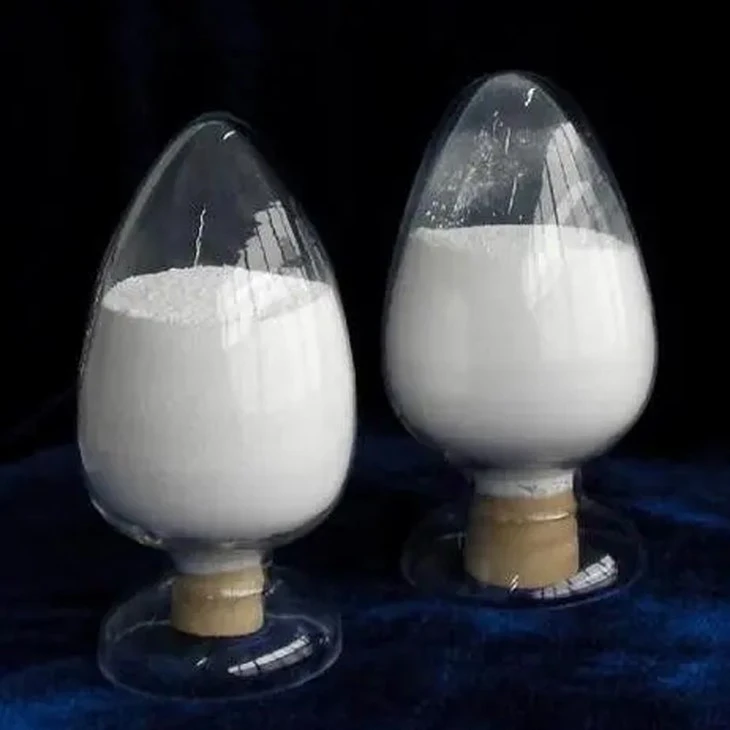
As a malic acid supplier, I'm always excited about exploring new possibilities for our product. If there are researchers or glass manufacturers out there interested in experimenting with malic acid in glass - related applications, we'd love to be a part of that. We can provide high - quality malic acid that meets strict industry standards.
Whether you're looking to use malic acid for glass cleaning, in some experimental glass formulations, or for any of its more traditional applications, we're here to help. If you have any questions or are interested in purchasing malic acid for your projects, don't hesitate to reach out. We can offer competitive prices, reliable delivery, and excellent customer service.
In conclusion, while malic acid isn't a staple in traditional glass production, there are some potential niches where it could be useful. The world of glass - making is constantly evolving, and who knows what new applications we might discover in the future. So, if you're in the glass industry or just curious about malic acid, let's start a conversation and see where it takes us.
References
- "The Chemistry of Glass" - General textbook on glass - related chemical processes
- Research papers on the use of organic compounds in specialty materials