

Can sorbitol be used in the production of candies?
Dec 30, 2025
Hey there, candy lovers and confectionery enthusiasts! As a sorbitol supplier, I often get asked if sorbitol can be used in the production of candies. Well, the short answer is yes, and in this blog post, I'm going to delve into the details of why sorbitol is a great choice for candy-making.
What Is Sorbitol?
Sorbitol is a sugar alcohol that occurs naturally in many fruits and berries, such as apples, pears, and cherries. It has a sweet taste, about 60% as sweet as sucrose (table sugar), but with fewer calories. Sorbitol is also known for its humectant properties, which means it can retain moisture and prevent products from drying out.
Why Use Sorbitol in Candy Production?
- Lower Calorie Alternative: One of the main reasons to use sorbitol in candies is its lower calorie content. For consumers who are watching their sugar intake or trying to reduce their calorie consumption, sorbitol provides a sweet taste without the added guilt. It's a popular choice for sugar-free or low-sugar candies.
- Moisture Retention: Sorbitol's humectant properties are a game-changer in candy production. Candies made with sorbitol tend to stay soft and chewy for longer periods, as it helps prevent the crystallization of sugar and keeps the product moist. This is especially important for candies like caramels and gummies.
- Cooling Sensation: When sorbitol dissolves in the mouth, it absorbs heat from the surroundings, creating a cooling sensation. This can add a refreshing element to certain types of candies, such as mint candies or chewable tablets.
- Stability and Shelf Life: Sorbitol is stable under a wide range of conditions and has a relatively long shelf life. It can withstand high temperatures and acidic environments, making it suitable for various candy-making processes.
Types of Candies That Can Use Sorbitol
- Hard Candies: Sorbitol can be used to make hard candies, providing a sweet taste and a clear, glassy appearance. It also helps prevent the candies from sticking together and maintains their shape.
- Chewy Candies: As mentioned earlier, sorbitol's moisture-retaining properties make it ideal for chewy candies like caramels, toffees, and gummies. It gives these candies a soft and elastic texture.
- Chocolate and Confectionery Coatings: Sorbitol can be added to chocolate and other confectionery coatings to reduce the calorie content and improve the texture. It also helps prevent the formation of bloom, a white powdery substance that can appear on the surface of chocolate over time.
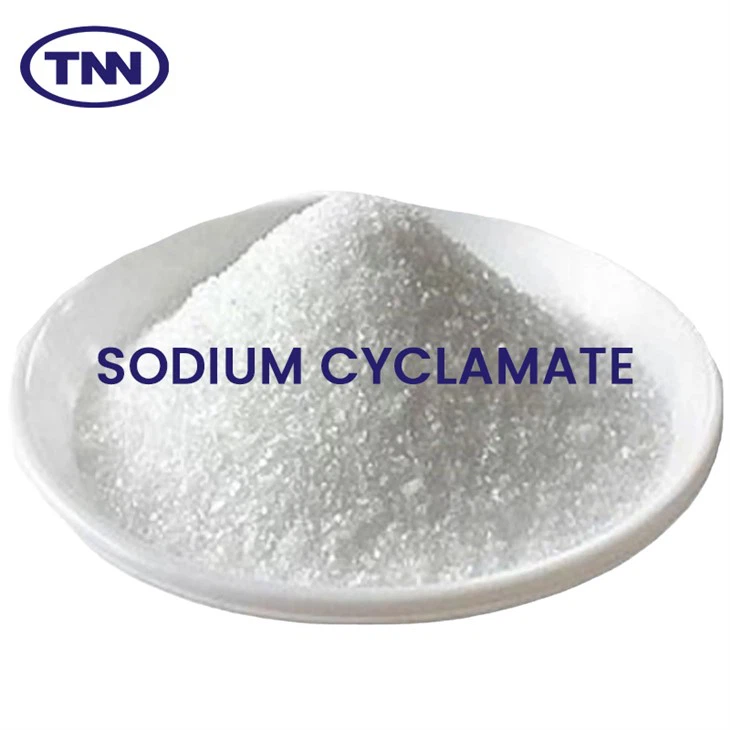
- Sugar-Free Candies: Sorbitol is a common ingredient in sugar-free candies, as it provides a sweet taste without the use of traditional sugars. It can be combined with other sweeteners, such as Sodium Cyclamate, to achieve the desired level of sweetness.
Considerations When Using Sorbitol in Candy Production
While sorbitol offers many benefits for candy-making, there are a few things to keep in mind:
- Laxative Effect: In large quantities, sorbitol can have a laxative effect, especially in people with sensitive digestive systems. It's important to use sorbitol in moderation and to label products appropriately to inform consumers.
- Hygroscopicity: Sorbitol is highly hygroscopic, which means it can absorb moisture from the air. This can cause the candies to become sticky or lose their shape if not stored properly.
- Compatibility with Other Ingredients: Sorbitol may interact with other ingredients in the candy formula, so it's important to test the compatibility before scaling up production. For example, sorbitol may react with certain acids or enzymes, affecting the quality of the final product.
Other Ingredients That Can Be Used in Candy Production
In addition to sorbitol, there are many other ingredients that can be used in candy production. Here are a few examples:
- Beeswax White Yellow: Beeswax can be used as a coating or glazing agent for candies, providing a shiny appearance and preventing the candies from sticking together.
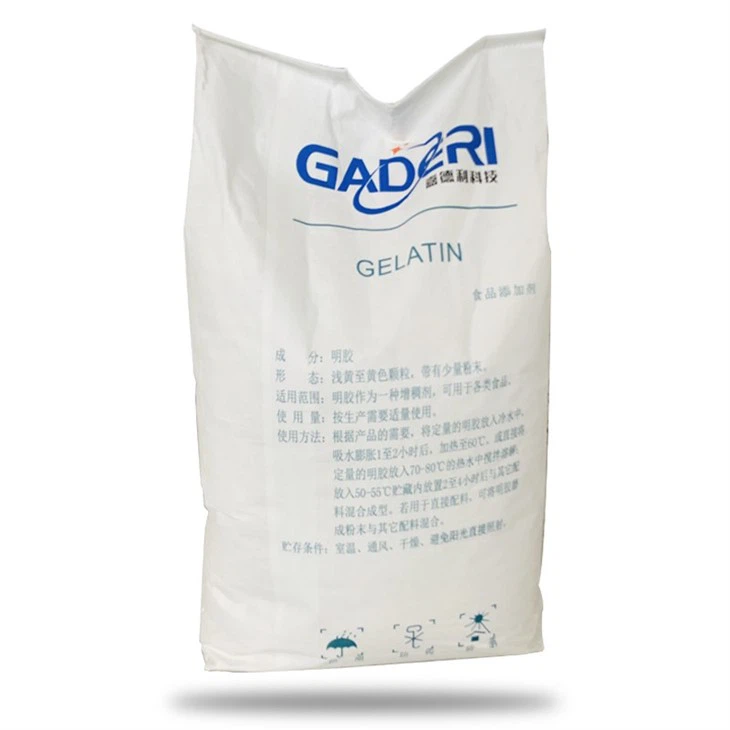
- What Is Gelatin: Gelatin is a protein derived from animal collagen and is commonly used in gummies, marshmallows, and other chewy candies to provide a firm, elastic texture.
Conclusion
In conclusion, sorbitol is a versatile and valuable ingredient in the production of candies. It offers a lower calorie alternative to traditional sugars, helps retain moisture, and provides a cooling sensation. However, it's important to use sorbitol in moderation and to consider its potential laxative effect. By combining sorbitol with other ingredients, such as beeswax and gelatin, you can create a wide variety of delicious and high-quality candies.
If you're interested in using sorbitol in your candy production or have any questions about our products, please don't hesitate to contact us. We'd love to discuss your specific needs and help you find the right solutions for your business.
References
- "Sorbitol." Food and Agriculture Organization of the United Nations.
- "Candy Making." Encyclopedia Britannica.
- "Food Additives: A Consumer's Guide." U.S. Food and Drug Administration.