Does maltodextrin have any vitamins or minerals?
Jul 14, 2026
Maltodextrin is a common food ingredient that has gained significant popularity in the food industry. As a maltodextrin supplier, I often encounter questions from customers about its nutritional value, particularly whether it contains any vitamins or minerals. In this blog, I will delve into the composition of maltodextrin, explore its vitamin and mineral content, and discuss its role in a balanced diet.
What is Maltodextrin?
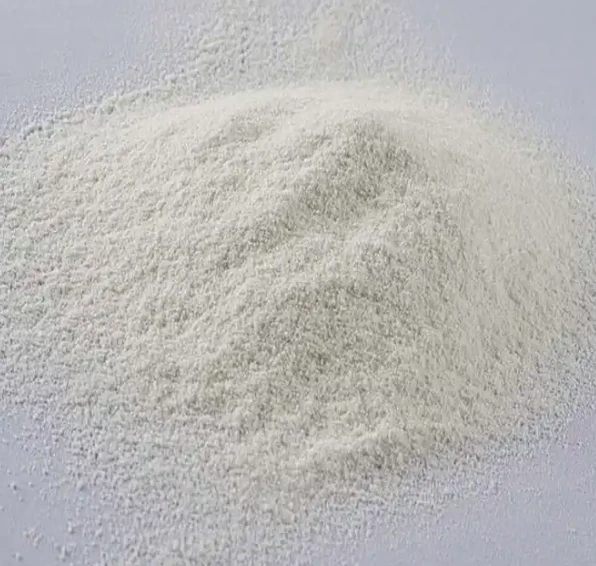
Maltodextrin is a polysaccharide that is produced from starch. It is typically derived from corn, rice, potato, or wheat starch through a process of hydrolysis, which breaks down the starch into smaller, more easily digestible molecules. The resulting product is a white, water-soluble powder that has a slightly sweet taste and a neutral flavor profile.
Maltodextrin is widely used in the food industry as a thickener, filler, stabilizer, and sweetener. It is commonly found in a variety of processed foods, including sports drinks, energy bars, cereals, soups, sauces, and desserts. It is also used in the pharmaceutical and cosmetic industries as a carrier for drugs and other active ingredients.
Nutritional Composition of Maltodextrin
Maltodextrin is primarily composed of carbohydrates, specifically glucose units linked together by alpha-1,4 glycosidic bonds. It is a highly digestible carbohydrate that is rapidly absorbed into the bloodstream, providing a quick source of energy.
In terms of its vitamin and mineral content, maltodextrin is generally considered to be a poor source. It contains negligible amounts of vitamins and minerals, if any at all. The exact composition of maltodextrin can vary depending on the source of the starch and the manufacturing process, but most commercial maltodextrins are essentially pure carbohydrates with minimal nutritional value.
Vitamins in Maltodextrin
Maltodextrin does not contain any significant amounts of vitamins. Vitamins are organic compounds that are essential for maintaining good health and performing various physiological functions in the body. They are typically found in fruits, vegetables, whole grains, dairy products, and other nutrient-rich foods. Since maltodextrin is a highly processed carbohydrate, it does not naturally contain vitamins.
Minerals in Maltodextrin
Similarly, maltodextrin does not contain any significant amounts of minerals. Minerals are inorganic elements that are required for proper growth, development, and functioning of the body. They are found in a variety of foods, including meats, seafood, dairy products, fruits, vegetables, and grains. Like vitamins, minerals are not present in significant amounts in maltodextrin due to its highly processed nature.
Role of Maltodextrin in a Balanced Diet
While maltodextrin may not contain vitamins or minerals, it can still play a role in a balanced diet. As a source of quickly digestible carbohydrates, maltodextrin can provide a rapid energy boost, making it a popular choice among athletes, fitness enthusiasts, and individuals with high energy requirements.
Energy Source
Maltodextrin is a highly efficient source of energy. When consumed, it is quickly broken down into glucose and absorbed into the bloodstream, where it can be used by the body's cells for energy production. This makes it an ideal choice for athletes and individuals engaging in intense physical activity, as it can help replenish glycogen stores and prevent fatigue.
Hydration and Electrolyte Balance
Maltodextrin is often used in sports drinks and electrolyte solutions to help maintain hydration and electrolyte balance. When combined with water and electrolytes such as sodium, potassium, and chloride, maltodextrin can enhance the absorption of fluids and electrolytes, helping to prevent dehydration and improve performance during exercise.
Food Formulation
In addition to its energy-providing properties, maltodextrin is also used in food formulation for its functional properties. It can act as a thickener, stabilizer, and emulsifier, helping to improve the texture, consistency, and shelf life of food products. It is also used as a filler and bulking agent, which can help reduce the cost of production and improve the overall quality of the product.
Considerations and Precautions
While maltodextrin can be a useful ingredient in certain situations, it is important to consume it in moderation and as part of a balanced diet. Here are some considerations and precautions to keep in mind:
Blood Sugar Levels
Maltodextrin has a high glycemic index (GI), which means it can cause a rapid increase in blood sugar levels. This can be a concern for individuals with diabetes or other blood sugar disorders, as it can lead to spikes and crashes in blood sugar levels. If you have diabetes or are concerned about your blood sugar levels, it is important to consult with a healthcare professional before consuming maltodextrin.
Allergies and Sensitivities
Maltodextrin is generally considered to be a safe and well-tolerated ingredient. However, some individuals may be allergic or sensitive to maltodextrin or the source of the starch from which it is derived. If you have a known allergy or sensitivity to corn, rice, potato, or wheat, it is important to check the label carefully before consuming products containing maltodextrin.
Quality and Purity
When purchasing maltodextrin, it is important to choose a high-quality product that is free from contaminants and impurities. Look for products that are certified organic, non-GMO, and produced by a reputable manufacturer. This can help ensure that you are getting a safe and pure product that meets your needs.
Conclusion
In conclusion, maltodextrin is a common food ingredient that is primarily composed of carbohydrates. While it does not contain significant amounts of vitamins or minerals, it can still play a role in a balanced diet as a source of quickly digestible energy. It is commonly used in sports drinks, energy bars, and other processed foods to provide a rapid energy boost and improve performance. However, it is important to consume maltodextrin in moderation and as part of a balanced diet, especially if you have diabetes or other health concerns.
As a maltodextrin supplier, we are committed to providing high-quality products that meet the needs of our customers. If you are interested in learning more about our maltodextrin products or have any questions about their use, please feel free to [contact us for procurement and discussion]. We would be happy to help you find the right product for your needs.
References
- American Dietetic Association. (2009). Position of the American Dietetic Association: Nutrition guidance for healthy children ages 2 to 11 years. Journal of the American Dietetic Association, 109(3), 505-521.
- Institute of Medicine. (2005). Dietary Reference Intakes for Energy, Carbohydrate, Fiber, Fat, Fatty Acids, Cholesterol, Protein, and Amino Acids. Washington, DC: The National Academies Press.
- Mozaffarian, D., Hao, T., Rimm, E. B., Willett, W. C., & Hu, F. B. (2011). Changes in diet and lifestyle and long-term weight gain in women and men. The New England Journal of Medicine, 364(25), 2392-2404.
Please note that the missing part in "If you are interested in learning more about our maltodextrin products or have any questions about their use, please feel free to [contact us for procurement and discussion]." should be replaced with the actual way to contact your company when you use this blog, and the hyperlinks are inserted as follows:
Maltodextrin is often used in combination with other food additives to enhance its functionality. For example, Polyglycerol Polyricinoleate E476 PGPR is sometimes used as an emulsifier in products containing maltodextrin to improve the stability and texture. Additionally, the Processing Process Of Concentrated Apple Juice may involve the use of maltodextrin in certain steps. Another common additive is Glycerol monostearate, which can act as a lubricant and anti-caking agent in maltodextrin-containing products.