

How do feed additives impact the immune system of animals?
Sep 08, 2026
As a supplier of feed additives, I've witnessed firsthand the profound impact these substances can have on the immune system of animals. In the following blog, I'll delve into the science behind how feed additives interact with an animal's immune function and why they are crucial for maintaining animal health.
Understanding the Animal Immune System
Before we explore the role of feed additives, it's essential to understand the basics of the animal immune system. The immune system in animals, much like in humans, is a complex network of cells, tissues, and organs working together to defend the body against pathogens, such as bacteria, viruses, and parasites. It can be divided into two main components: the innate immune system and the adaptive immune system.
The innate immune system is the first line of defense. It provides immediate, non - specific protection against invaders. Physical barriers like the skin and mucous membranes, as well as immune cells such as macrophages and neutrophils, play key roles in this system. The adaptive immune system, on the other hand, is more specific and develops over time. It involves lymphocytes, including B - cells and T - cells, which can recognize and remember specific pathogens, providing long - term immunity.
How Feed Additives Influence the Immune System
Nutritional Feed Additives
Nutritional feed additives, such as vitamins and minerals, are fundamental to maintaining a healthy immune system. For example, vitamin E is a powerful antioxidant that helps protect immune cells from oxidative damage. Oxidative stress can weaken the immune system, making animals more susceptible to diseases. By neutralizing free radicals, vitamin E can enhance the function of immune cells and improve the overall immune response.
Minerals also have a significant impact. Zinc is essential for the development and function of immune cells. It is involved in various enzymatic reactions within the immune system, including the activation of T - cells and the production of antibodies. A zinc - deficient diet can lead to impaired immune function, increased susceptibility to infections, and slower wound healing in animals.
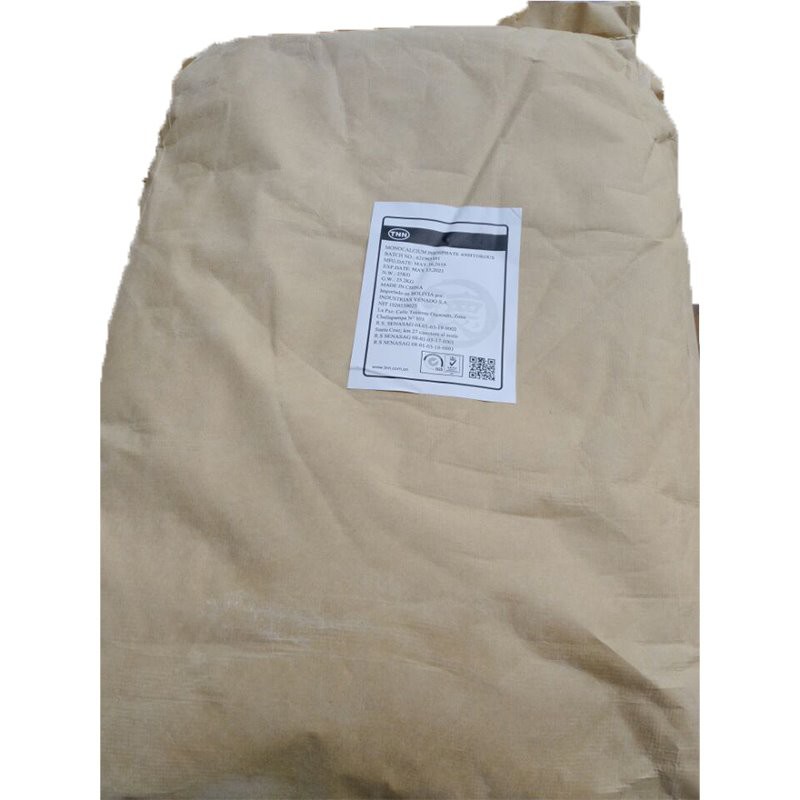
Our company offers high - quality TNN Calcium dihydrogen phosphate MCP, which is an excellent source of phosphorus and calcium. Phosphorus is crucial for the formation of cell membranes in immune cells and is involved in energy metabolism, which is essential for the proper functioning of the immune system. Calcium is also important for immune cell activation and signaling.
Probiotics and Prebiotics
Probiotics are live microorganisms that, when administered in adequate amounts, confer a health benefit on the host. They can help modulate the immune system by interacting with the gut microbiota. The gut is home to a vast number of bacteria, and a balanced gut microbiota is essential for a healthy immune system. Probiotics can stimulate the production of immune - related cytokines, enhance the function of immune cells in the gut - associated lymphoid tissue (GALT), and compete with pathogenic bacteria for nutrients and adhesion sites in the gut.
Prebiotics, on the other hand, are non - digestible food ingredients that selectively stimulate the growth and/or activity of beneficial bacteria in the gut. By promoting the growth of probiotic bacteria, prebiotics indirectly support the immune system. They can also enhance the production of short - chain fatty acids (SCFAs), which have anti - inflammatory properties and can improve the integrity of the gut barrier. A strong gut barrier is crucial for preventing the entry of pathogens into the bloodstream and triggering an immune response.
Immunomodulatory Feed Additives
Some feed additives are specifically designed to modulate the immune system. For example, certain plant extracts and essential oils have immunomodulatory properties. Echinacea extract, for instance, has been shown to enhance the activity of immune cells, such as macrophages and neutrophils, in animals. It can also stimulate the production of antibodies, providing better protection against infections.
EDTA C10H16N2O8 is another important feed additive in this regard. It can act as a chelating agent, binding to heavy metals and preventing their toxic effects on the immune system. Heavy metals can disrupt the normal function of immune cells, and by removing them, EDTA helps maintain a healthy immune response.
Benefits of Using Feed Additives for the Immune System
Disease Prevention
One of the most significant benefits of using feed additives to support the immune system is disease prevention. Animals with a strong immune system are better able to resist infections from pathogens. This reduces the incidence of diseases such as respiratory infections, gastrointestinal diseases, and skin infections. By preventing diseases, farmers can reduce the need for antibiotics and other medications, which is not only beneficial for animal health but also for food safety and the environment.
Improved Growth and Performance
A healthy immune system is also essential for optimal growth and performance in animals. When animals are constantly fighting off infections, their energy is diverted from growth and production to the immune response. By enhancing the immune system with feed additives, animals can allocate more energy to growth, resulting in better weight gain, improved feed conversion ratios, and higher milk or egg production in dairy cows and laying hens, respectively.
Reduced Stress
Stress can have a significant negative impact on the immune system of animals. Factors such as transportation, overcrowding, and changes in diet or environment can cause stress, leading to immunosuppression. Feed additives, such as antioxidants and adaptogens, can help animals cope with stress and maintain a healthy immune system. For example, selenium is an antioxidant that can reduce oxidative stress caused by various stressors, thereby supporting the immune function.
Case Studies
Let's take a look at some real - world examples of how feed additives have impacted the immune system of animals. In a large - scale pig farm, the addition of probiotics to the piglets' diet led to a significant reduction in the incidence of diarrhea. The probiotics helped establish a healthy gut microbiota, which in turn enhanced the immune function of the piglets, making them more resistant to enteric pathogens.
In a poultry farm, the use of vitamin E - enriched feed additives improved the birds' resistance to avian influenza. The antioxidant properties of vitamin E protected the immune cells from oxidative damage caused by the virus, allowing the birds to mount a more effective immune response.
Conclusion
Feed additives play a vital role in enhancing the immune system of animals. From providing essential nutrients to modulating the immune response, these additives can improve animal health, prevent diseases, and enhance growth performance. As a feed additives supplier, we are committed to providing high - quality products, such as TNN Calcium dihydrogen phosphate MCP, EDTA C10H16N2O8, and Monodicalcium Phosphate, that can help farmers achieve these goals.
If you are interested in learning more about our feed additives and how they can benefit your animals' immune system, we invite you to contact us for a detailed discussion. We look forward to the opportunity to work with you and contribute to the success of your animal farming operation.

References
- Klasing, K. C. (1998). Nutrition and immunology in poultry. World's Poultry Science Journal, 54(1), 3 - 14.
- Mountzouris, K. C., Tsirtsikos, K., Fegeros, K., & Giannenas, I. (2010). Influence of probiotics, prebiotics, and synbiotics on gut health and performance of broiler chickens: a review. Poultry Science, 89(7), 1419 - 1428.
- Sahoo, P. K., & Mukherjee, S. C. (2001). Role of vitamins and minerals in fish immunity. Aquaculture Research, 32(1), 1 - 14.