

Can SAPP be used in the textile industry?
Sep 07, 2026
Hey there, folks! As a supplier of SAPP (Sodium Acid Pyrophosphate), I've been getting a lot of questions lately about whether SAPP can be used in the textile industry. Well, let's dive right into it and find out!
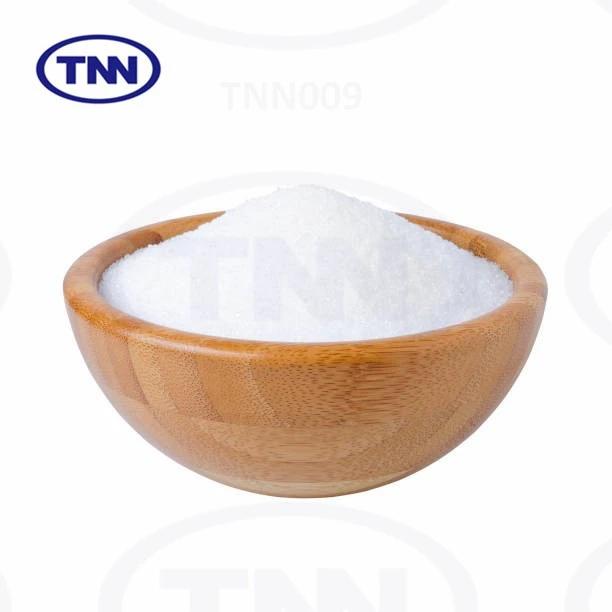
First off, let's talk a bit about what SAPP is. SAPP is a white, crystalline powder that's commonly used in a variety of industries. In the food industry, it's used as an emulsifier, a leavening agent, and a pH regulator. For example, you can find it in products like CMC Sodium Emulsifier, which is used to keep ingredients well - mixed in many food products. It's also used in Succinic Acid applications and can be found in Tomato Paste to control acidity and improve texture.

But what about the textile industry? Can SAPP make its mark there?
1. Dyeing and Printing
One of the key processes in the textile industry is dyeing and printing. SAPP can play a significant role here. In dyeing, it can act as a chelating agent. Chelating agents are substances that can bind to metal ions in the water used for dyeing. In textile dyeing, the presence of metal ions like calcium, magnesium, and iron in the water can cause problems. These metal ions can react with the dyes and form insoluble complexes, which can lead to uneven dyeing, color variations, and reduced color fastness.
When SAPP is added to the dye bath, it forms stable complexes with these metal ions. This prevents the metal ions from interfering with the dye - fiber interaction. As a result, the dye can be more uniformly absorbed by the textile fibers, leading to better color consistency and improved dyeing quality.
In textile printing, SAPP can also be used to adjust the pH of the printing paste. The pH of the printing paste is crucial for the proper fixation of the dyes on the fabric. Different dyes have different optimal pH ranges for fixation. SAPP, with its acidic properties, can be used to lower the pH of the printing paste to the desired level, ensuring that the dyes adhere well to the fabric and produce sharp, vibrant prints.
2. Fiber Treatment
SAPP can also be used in fiber treatment processes. Some synthetic fibers, like polyester, can be treated with SAPP to improve their hydrophilicity (ability to absorb water). By treating the fibers with SAPP, the surface of the fibers can be modified to make them more receptive to dyes and finishes. This can enhance the overall performance of the textile, such as its comfort and dyeability.
For natural fibers like cotton, SAPP can be used in pre - treatment processes. It can help in removing impurities from the cotton fibers, such as waxes and pectins. These impurities can prevent the dyes from penetrating the fibers effectively. By using SAPP in the pre - treatment, the cotton fibers become cleaner and more porous, allowing for better dye uptake and improved color fastness.
3. Flame Retardancy
In some cases, SAPP can be used in combination with other chemicals to impart flame - retardant properties to textiles. When exposed to fire, textiles treated with SAPP - based flame - retardant formulations can form a char layer on the surface. This char layer acts as a barrier, preventing the spread of fire and reducing the flammability of the textile.
However, it's important to note that the use of SAPP for flame retardancy usually requires specific formulations and strict compliance with safety and environmental regulations.
Applications Challenges and Considerations
Of course, like any other chemical used in an industry, using SAPP in the textile industry also comes with some challenges.
- Environmental Impact: The textile industry is one of the most polluting industries globally. When using SAPP, we need to be careful about its environmental impact. SAPP contains phosphorus, and excessive release of phosphorus into water bodies can cause eutrophication, which is the over - enrichment of water with nutrients that leads to the growth of algae and other aquatic plants, and can ultimately harm the aquatic ecosystem. So, proper waste - water treatment is essential to ensure that the phosphorus levels in the effluent are within the acceptable limits.
- Cost - effectiveness: While SAPP can offer many benefits in textile processing, it's important to consider its cost - effectiveness. Textile manufacturers are always looking for ways to reduce costs while maintaining or improving the quality of their products. As a supplier, we need to work closely with the textile industry to ensure that the use of SAPP is economically viable. This may involve optimizing the dosage of SAPP in different processes and finding the right balance between cost and performance.
Conclusion
So, can SAPP be used in the textile industry? The answer is a definite yes! It has a wide range of potential applications in dyeing, printing, fiber treatment, and even flame retardancy. However, we also need to be aware of the challenges and considerations, such as environmental impact and cost - effectiveness.
If you're in the textile industry and are interested in exploring the use of SAPP in your processes, we'd love to have a chat. Whether you have questions about the technical aspects, the dosage, or the cost, we're here to help. Reach out to us to start a discussion about how SAPP can be incorporated into your textile operations to improve quality and efficiency. Let's work together to make your textile products stand out!
References
- Textile Dyeing and Printing Handbook, various authors
- Chemicals in Textile Processing: Principles and Applications, [Author's Name]
- Environmental Impact Assessment of Textile Chemicals, [Research Institution]