

How do food additives affect the shelf - life of food in different climates?
Jun 01, 2026
Food additives play a crucial role in the modern food industry, especially when it comes to extending the shelf - life of food products. Different climates can significantly impact how these additives function and preserve food. As a food additives supplier, I have witnessed firsthand the diverse effects of various additives in different environmental conditions.
The Basics of Food Additives and Shelf - Life
Food additives are substances added to food to enhance its flavor, appearance, texture, or most importantly, to extend its shelf - life. Shelf - life refers to the length of time a food product can be stored under specific conditions while remaining safe to consume and maintaining its desired quality. The use of additives can slow down the processes of spoilage, such as microbial growth, oxidation, and enzymatic reactions.
Microbial growth is one of the primary causes of food spoilage. Bacteria, yeasts, and molds can multiply rapidly in food, leading to off - flavors, odors, and even foodborne illnesses. Additives like Potassium Sorbate Food Grade are commonly used as preservatives to inhibit the growth of these microorganisms. Potassium sorbate works by interfering with the metabolic processes of microbes, preventing them from growing and reproducing.

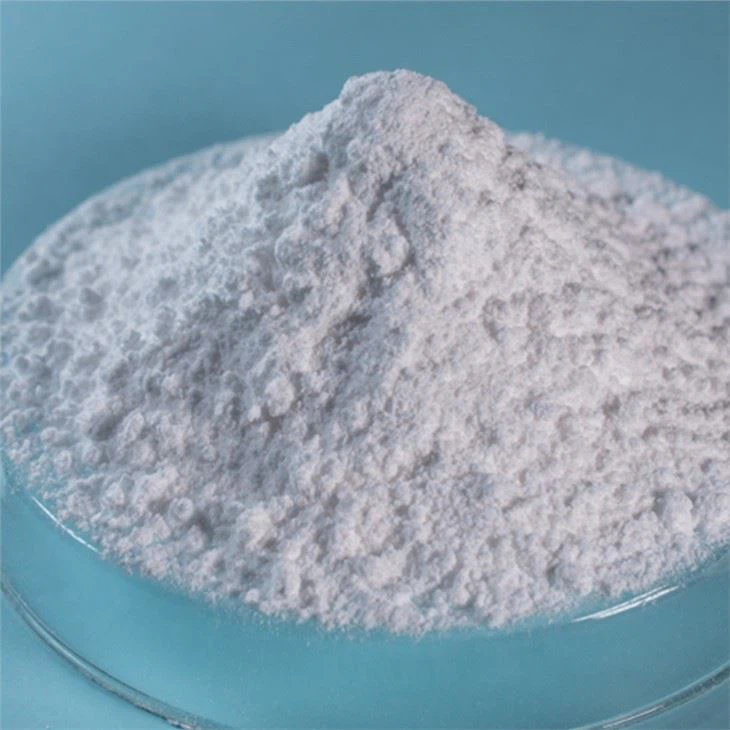
Oxidation is another major factor that affects the quality of food. It can cause the development of rancidity in fats and oils, as well as the discoloration of fruits and vegetables. Antioxidants, such as ascorbic acid (vitamin C) and tocopherols (vitamin E), are used to prevent oxidation by scavenging free radicals, which are highly reactive molecules that can damage food components.
Impact of Different Climates on Food Additive Performance
Tropical Climates
Tropical climates are characterized by high temperatures and high humidity. These conditions create an ideal environment for microbial growth. In such climates, the effectiveness of some food additives may be reduced. For example, the solubility of certain additives can be affected by high humidity. Some additives may absorb moisture from the air, leading to clumping and reduced dispersion in the food product.
Potassium sorbate, which is effective in inhibiting microbial growth, may need to be used at higher concentrations in tropical climates. The warm and humid conditions can accelerate the growth of bacteria and molds, and a higher dose of the preservative may be required to maintain the same level of protection. Additionally, the stability of antioxidants can also be compromised in high - temperature environments. Oxidation reactions occur more rapidly at higher temperatures, and antioxidants may be consumed more quickly, reducing their ability to protect the food from rancidity.
Arid Climates
Arid climates are known for their low humidity and high temperatures during the day, with significant temperature drops at night. In these conditions, the main concern for food preservation is the loss of moisture. Some food additives can help prevent moisture loss. For instance, humectants like glycerol can be used to retain moisture in food products. Glycerol attracts and holds water molecules, preventing the food from drying out.
However, in arid climates, the risk of crystallization of some additives may increase. Additives that are soluble in water may crystallize out of solution as the water evaporates. This can affect the appearance and functionality of the food product. For example, if a sweetener additive like Sucralose crystallizes, it can change the texture of the food and reduce its sweetness perception.
Temperate Climates
Temperate climates have moderate temperatures and humidity levels. These conditions are generally more favorable for the performance of food additives. The growth of microorganisms is slower compared to tropical climates, and the risk of oxidation and moisture loss is also relatively lower. In temperate climates, food additives can be used at more standard concentrations to achieve the desired shelf - life extension.
However, seasonal variations in temperature and humidity can still have an impact. During the warmer months, the effectiveness of some additives may decrease slightly, similar to the situation in tropical climates. In contrast, during the colder months, the solubility of some additives may be reduced, which can affect their dispersion in the food product.
Case Studies
Let's consider a case study of a bakery product, such as bread. In a tropical climate, bread is highly susceptible to mold growth due to the high humidity and temperature. By adding Potassium Sorbate Food Grade, the shelf - life of the bread can be extended. However, if the concentration of potassium sorbate is not adjusted according to the local climate conditions, the bread may still develop mold within a few days.
In an arid climate, bread can quickly become dry and stale. By using a humectant like glycerol, the moisture content of the bread can be maintained, and its shelf - life can be prolonged. But if the bread is exposed to extreme temperature fluctuations, the humectant may not work as effectively, and the bread may still lose its freshness.
The Role of Quality Control
As a food additives supplier, quality control is of utmost importance. We need to ensure that our additives are of high quality and meet the relevant standards. This includes testing the additives for purity, stability, and effectiveness under different climate conditions.
We conduct regular research and development to improve the performance of our additives. For example, we are constantly looking for ways to enhance the stability of antioxidants in high - temperature environments or to prevent the crystallization of additives in arid climates.
Conclusion
Food additives have a significant impact on the shelf - life of food products, but their effectiveness can be influenced by different climates. Tropical, arid, and temperate climates each present unique challenges and opportunities for food preservation. As a food additives supplier, we understand the importance of providing customized solutions to our customers based on their specific climate and food product requirements.
If you are in the food industry and are looking for high - quality food additives to extend the shelf - life of your products, we are here to help. Our team of experts can provide you with professional advice and the right additives for your needs. Contact us to start a procurement negotiation and ensure the long - term quality and safety of your food products.
References
- Fellows, P. J. (2000). Food Processing Technology: Principles and Practice. CRC Press.
- Gould, G. W. (1996). New Methods of Food Preservation. Springer.
- Labuza, T. P., & Taoukis, P. S. (1990). The shelf - life concept. In Food Packaging: Principles and Practice (pp. 1 - 21). Marcel Dekker.