

How does temperature affect the solubility of caustic soda?
Jan 22, 2026
As a caustic soda supplier, I've witnessed firsthand the importance of understanding how temperature affects the solubility of caustic soda. This knowledge is not only crucial for scientific research but also has significant implications for various industries that rely on caustic soda in their processes. In this blog post, I'll delve into the relationship between temperature and the solubility of caustic soda, exploring the scientific principles behind it and its practical applications.
The Basics of Caustic Soda Solubility
Caustic soda, also known as sodium hydroxide (NaOH), is a highly soluble inorganic compound. Solubility refers to the maximum amount of a solute that can dissolve in a given amount of solvent at a specific temperature and pressure to form a homogeneous solution. For caustic soda, water is the most common solvent.
The solubility of caustic soda in water is quite high compared to many other substances. At room temperature (around 20°C), approximately 109 grams of caustic soda can dissolve in 100 milliliters of water. However, this value is not static; it changes with temperature.
The Effect of Temperature on Caustic Soda Solubility
In general, the solubility of caustic soda in water increases with an increase in temperature. This is because the dissolution of caustic soda in water is an exothermic process. When caustic soda dissolves in water, it releases heat according to the following equation:
NaOH(s) + H₂O(l) → Na⁺(aq) + OH⁻(aq) + Heat
According to Le Chatelier's principle, if a system at equilibrium is subjected to a change in temperature, pressure, or concentration of reactants or products, the system will adjust itself to counteract the change and restore equilibrium. In the case of the dissolution of caustic soda, when the temperature is increased, the system tries to absorb the added heat. Since the dissolution process is exothermic, an increase in temperature shifts the equilibrium to the right, favoring the dissolution of more caustic soda.
Let's take a look at some specific data to illustrate this relationship. At 0°C, the solubility of caustic soda in water is about 42 grams per 100 milliliters of water. As the temperature rises to 100°C, the solubility increases significantly to approximately 347 grams per 100 milliliters of water. This shows a clear positive correlation between temperature and solubility.
Practical Applications in Industries
The knowledge of how temperature affects the solubility of caustic soda has numerous practical applications in various industries.
Chemical Manufacturing
In the chemical manufacturing industry, caustic soda is used as a reactant in many processes. For example, in the production of soap, caustic soda reacts with fats and oils in a process called saponification. By controlling the temperature, manufacturers can adjust the solubility of caustic soda to ensure the proper reaction rate and yield. Higher temperatures can increase the solubility of caustic soda, allowing for a more efficient reaction.
Water Treatment
Caustic soda is also widely used in water treatment to adjust the pH of water. In wastewater treatment plants, for instance, caustic soda is added to acidic wastewater to neutralize it. By understanding the solubility - temperature relationship, operators can determine the appropriate amount of caustic soda to add at different temperatures to achieve the desired pH level.
Pulp and Paper Industry
In the pulp and paper industry, caustic soda is used in the pulping process to break down lignin, a complex polymer that binds cellulose fibers in wood. Higher temperatures can increase the solubility of caustic soda, enhancing its ability to penetrate the wood fibers and dissolve lignin more effectively, resulting in a higher quality pulp.
Considerations for Our Supply Business
As a caustic soda supplier, the understanding of temperature - solubility relationship is essential for us. When transporting and storing caustic soda, we need to consider the temperature conditions. If the temperature is too low during storage, there is a risk of caustic soda crystallizing out of solution, which can cause blockages in pipes and storage containers. On the other hand, during the delivery process, especially in hot climates, we need to ensure that the containers can withstand the increased pressure that may result from the higher solubility and the associated chemical reactions.
Moreover, when providing technical support to our customers, we can use this knowledge to help them optimize their processes. For example, if a customer is experiencing issues with the dissolution of caustic soda in their manufacturing process, we can advise them on adjusting the temperature to improve solubility.
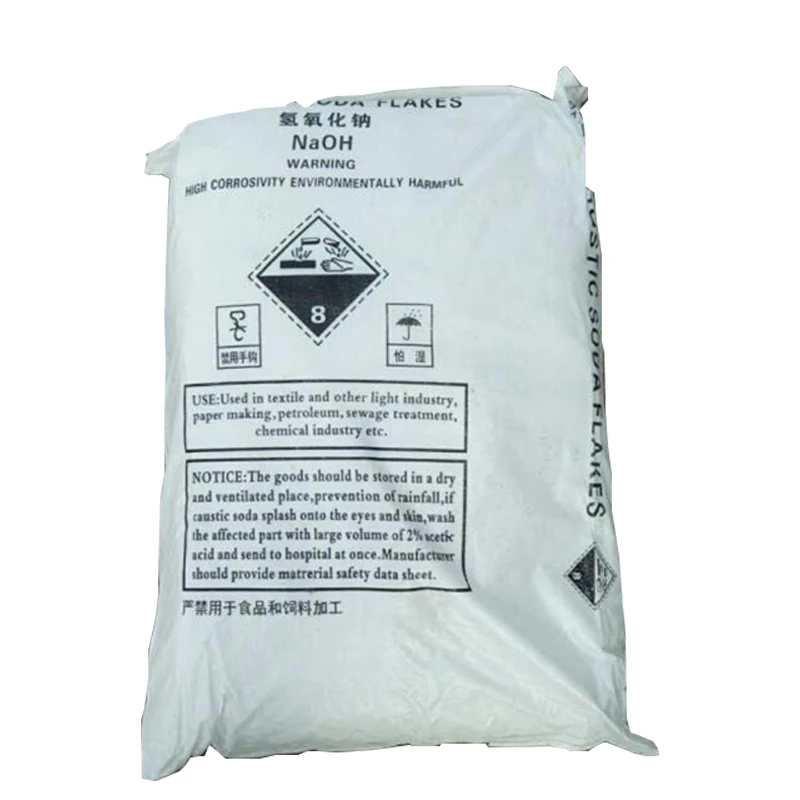
Related Products and Their Applications
In addition to caustic soda, our company also supplies other fine chemicals that are widely used in different industries. Phosphoric Acid Raw Material is an important chemical in the food and beverage industry, used as an acidulant, flavoring agent, and a component in the production of phosphate salts. High Viscosity Brookfield Xanthan Gum is a polysaccharide thickener and stabilizer, commonly used in the food, pharmaceutical, and cosmetic industries. TNN Zinc Sulfate is used in agriculture as a fertilizer and in the pharmaceutical industry as a dietary supplement.
Conclusion and Call to Action
In conclusion, the solubility of caustic soda is significantly affected by temperature. An increase in temperature generally leads to an increase in solubility, which has important implications for various industries. As a caustic soda supplier, we are committed to providing high - quality products and technical support based on our in - depth understanding of these scientific principles.
If you are in need of caustic soda or any of our other fine chemicals, we invite you to contact us for procurement and to discuss your specific requirements. Our team of experts is ready to assist you in finding the best solutions for your business.
References
- Atkins, P. W., & de Paula, J. (2014). Physical Chemistry. Oxford University Press.
- Chang, R. (2010). Chemistry. McGraw - Hill Education.
- Perry, R. H., & Green, D. W. (2008). Perry's Chemical Engineers' Handbook. McGraw - Hill Professional.