

What are the physical properties of SAPP?
May 14, 2026
SAPP, or Sodium Acid Pyrophosphate, is a versatile chemical compound that finds extensive use in various industries, especially in the food and beverage sector. As a leading SAPP supplier, I am often asked about the physical properties of this important substance. In this blog post, I will delve into the key physical characteristics of SAPP, shedding light on why it is such a valuable ingredient in numerous applications.
Appearance and State
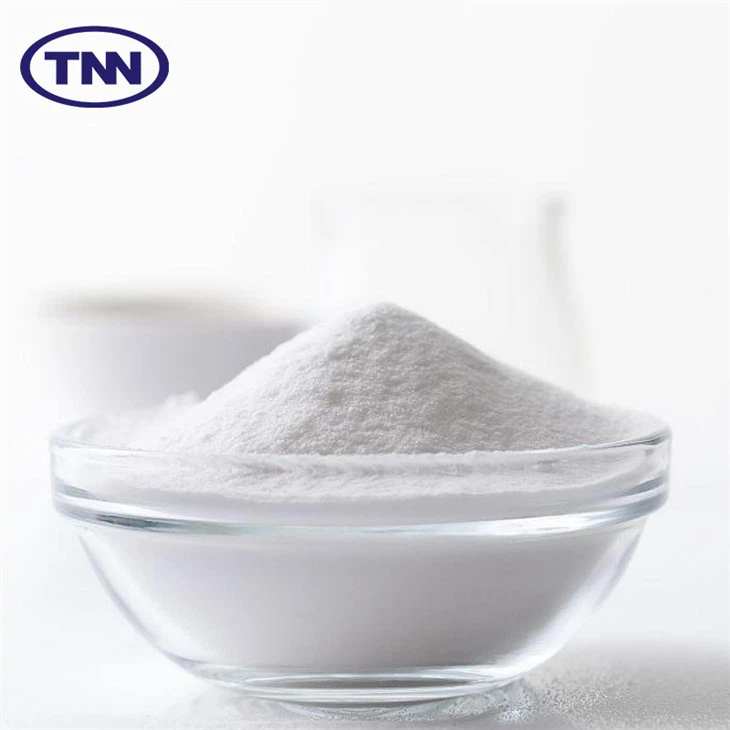
SAPP typically exists as a white, crystalline powder. This fine, powdery form makes it easy to handle, mix, and incorporate into different formulations. The white color is a common trait among many inorganic salts, and it indicates the purity and uniformity of the compound. The crystalline structure is a result of the orderly arrangement of sodium, hydrogen, phosphorus, and oxygen atoms in the SAPP molecule. This structure gives the powder its characteristic texture and stability.
Solubility
One of the most important physical properties of SAPP is its solubility in water. SAPP is moderately soluble in water, which means it can dissolve to a certain extent when mixed with an aqueous solution. The solubility of SAPP is temperature - dependent. At room temperature (around 25°C), approximately 1.1 g of SAPP can dissolve in 100 mL of water. As the temperature increases, the solubility also rises. This property is crucial in many applications, such as in food processing, where SAPP is often used as a leavening agent or a pH regulator in aqueous systems.
Density
The density of SAPP is about 1.86 g/cm³. This relatively high density is typical of inorganic salts and is related to the closely packed arrangement of atoms in its crystalline structure. The density value is important for several reasons. In industrial settings, it helps in determining the volume - to - mass ratio when handling and transporting SAPP. For example, when calculating the amount of SAPP needed for a specific process, the density is used to convert between volume and mass measurements.
Melting and Decomposition Points
SAPP does not have a well - defined melting point in the traditional sense. Instead, it decomposes upon heating. When heated to around 220°C, SAPP starts to lose water molecules and undergoes a chemical transformation. This decomposition process is complex and involves the breakdown of the pyrophosphate structure and the formation of other phosphate compounds. The decomposition behavior of SAPP is a critical consideration in applications where high - temperature processing is involved, such as in baking or certain industrial manufacturing processes.
Hygroscopicity
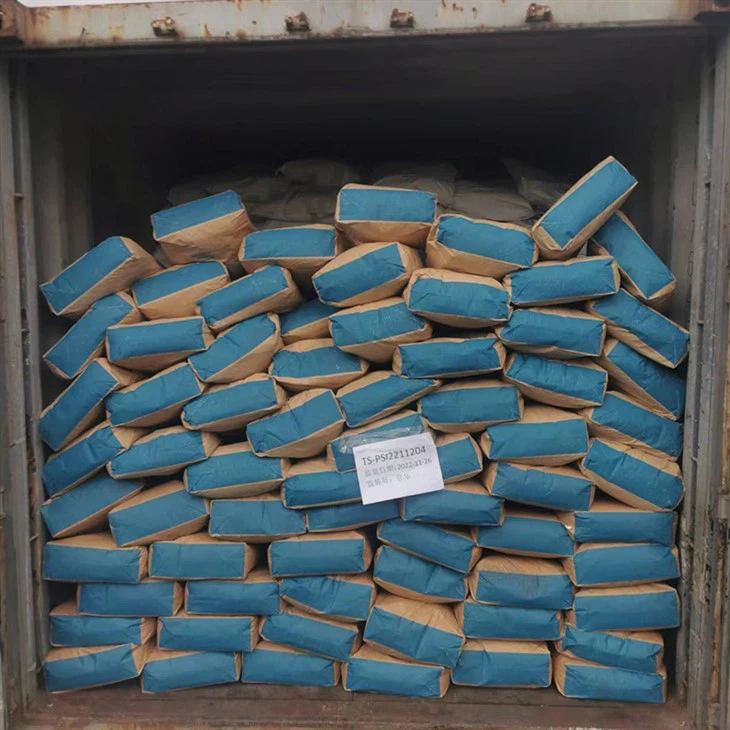
SAPP has a certain degree of hygroscopicity, which means it can absorb moisture from the surrounding environment. This property can affect its stability and performance over time. If SAPP is exposed to a humid atmosphere for an extended period, it may absorb water and form clumps. To prevent this, proper storage conditions are essential. SAPP should be stored in a dry, cool place, preferably in air - tight containers. In some cases, desiccants may be used to maintain a low - humidity environment around the SAPP product.
pH - Dependent Behavior
In aqueous solutions, SAPP exhibits pH - dependent behavior. It can act as an acid or a buffer depending on the pH of the solution. When dissolved in water, SAPP hydrolyzes to form phosphoric acid and other phosphate species. At low pH values, it can release hydrogen ions, thus lowering the pH of the solution. At higher pH values, it can act as a buffer to resist changes in pH. This property is highly useful in food applications, where precise control of pH is often required for flavor development, texture improvement, and microbial stability.
Particle Size
The particle size of SAPP can vary depending on the manufacturing process. Generally, commercial SAPP products have a relatively fine particle size, which ranges from a few micrometers to tens of micrometers. The fine particle size is beneficial as it increases the surface area of the SAPP particles, allowing for faster dissolution and better dispersion in aqueous solutions. This is particularly important in applications where rapid reaction or mixing is required, such as in the production of instant food products.
Compatibility with Other Substances
SAPP is compatible with many other substances commonly used in the food and industrial sectors. It can be mixed with various salts, acids, bases, and organic compounds without significant chemical reactions. However, it is important to note that in some cases, the presence of certain metal ions or other reactive substances may affect its performance. For example, the presence of calcium ions can react with SAPP to form insoluble calcium phosphates, which may impact the functionality of SAPP in a formulation.
Applications Based on Physical Properties
The unique physical properties of SAPP make it suitable for a wide range of applications. In the food industry, its solubility, pH - dependent behavior, and leavening ability make it a popular choice as a leavening agent in baked goods. It helps dough rise by releasing carbon dioxide gas during the baking process. SAPP is also used as a sequestrant to bind metal ions, preventing them from causing discoloration or spoilage in food products.
In the industrial sector, SAPP is used in metal surface treatment, water treatment, and as a component in detergents. Its ability to chelate metal ions makes it effective in removing scale and preventing corrosion in water systems.
Related Products
If you are interested in other food additives, we also offer a range of related products. Check out our EDTA SERIES PRODUCTS, which are widely used as preservatives and antioxidants in the food industry. Another interesting product is Isomal Teeth Friendly, a unique sweetener that is gentle on teeth. And for applications requiring a strong sequestrant, our STPP 7758 - 29 - 4 is a great option.
Contact for Procurement
If you are in the market for high - quality SAPP or any of our other products, we would be delighted to discuss your requirements. Our team of experts can provide you with detailed information, samples, and competitive pricing. Whether you are a small - scale food producer or a large industrial manufacturer, we have the capacity to meet your needs. Reach out to us to start a productive conversation about your procurement requirements.
References
- "Handbook of Food Additives" by A. L. Branen, P. M. Davidson, and S. Salminen.
- "Inorganic Chemistry" by D. F. Shriver and P. W. Atkins.
- Technical literature provided by SAPP manufacturers.