

What is the density of citric acid?
Jul 03, 2026
Hey there! As a citric acid supplier, I often get asked about the density of citric acid. It might sound like a super technical question, but it's actually pretty important, especially if you're using citric acid in various industries. So, let's dive right into it and figure out what the density of citric acid really is and why it matters.
First off, what exactly is citric acid? Well, it's a weak organic acid that you can find naturally in citrus fruits like lemons, limes, and oranges. But these days, most of the citric acid out there is made through a fermentation process using a type of mold called Aspergillus niger. It's used in a ton of different things - from food and drinks to cleaning products and even cosmetics.
Now, onto the main topic: density. Density is basically how much mass is packed into a certain volume. In the case of citric acid, its density can vary depending on factors like its form (whether it's in powder, crystal, or liquid form) and the temperature.
The density of anhydrous citric acid (that's the form without any water in it) at room temperature (around 25°C) is approximately 1.665 g/cm³. This means that if you have a cubic centimeter of anhydrous citric acid, it would weigh about 1.665 grams. But if we're talking about the monohydrate form (which has one molecule of water associated with each molecule of citric acid), the density is slightly different. The density of citric acid monohydrate at room temperature is around 1.542 g/cm³.
Why is knowing the density of citric acid so important? Well, in the food and beverage industry, it helps in formulating recipes accurately. For example, if you're making a citrus - flavored drink, you need to know exactly how much citric acid to add to get the right taste. The density helps in calculating the correct amount of citric acid based on the volume of the drink you're making.
In the cleaning product industry, density plays a crucial role in ensuring the effectiveness of the product. If the density of citric acid in a cleaning solution is too high or too low, it might not work as well at removing stains or descaling. A correct density ensures that the acid is concentrated enough to do its job but not so concentrated that it becomes too harsh or dangerous.
In cosmetics, the density of citric acid impacts the texture and consistency of the products. For instance, in facial creams or lotions, the right density of citric acid can help in maintaining the proper pH level of the product, which is important for skin health.
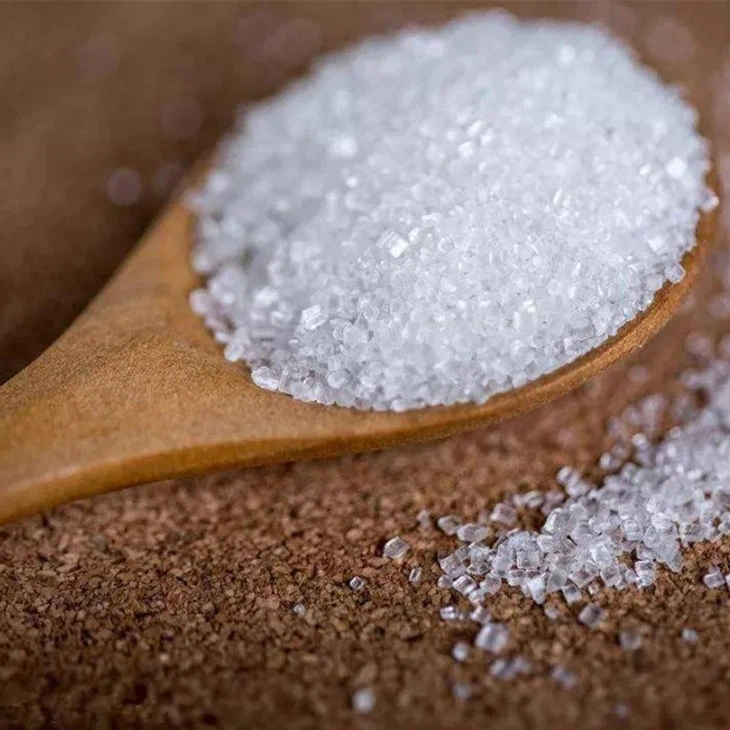

Let's talk a bit about how to measure the density of citric acid. If you've got a lab setup, you can use a pycnometer. A pycnometer is a small glass container with a very precise volume. You fill it with citric acid, weigh it, and then use the formula density = mass/volume to calculate the density.
But if you're not in a lab, there are other ways too. For powder or crystal citric acid, you can use a simple kitchen scale and a measuring cup. First, weigh a certain amount of citric acid on the scale. Then, pour it into the measuring cup and note the volume it takes up. Divide the mass by the volume, and you've got an approximation of the density.
Now, as a citric acid supplier, I know that there are many other related products in the market. For example, if you're into the food industry, you might also be interested in Sodium Cyclamate. It's a sweetener that's used in many food products. And if you're looking for something to prevent caking in your food products, Magnesium Oxide CAS 1309 - 48 - 4 and Magnesium Oxide Food Grade Anti Caking Agent can be great options.
So, why should you choose me as your citric acid supplier? Well, I've got high - quality citric acid at competitive prices. I make sure that all my products meet the highest standards of quality and safety. Whether you need a small amount for a home - made project or a large quantity for an industrial operation, I've got you covered.
If you're interested in purchasing citric acid or any of the related products I mentioned, don't hesitate to reach out. Just drop me a message, and we can start discussing your requirements. Whether you're in the food, cleaning, or cosmetics industry, I'm confident that I can provide you with the right product for your needs.
In conclusion, the density of citric acid is an important factor that affects its use in various industries. Knowing the density helps in accurate formulation, better product performance, and ensuring the quality of the end - product. And if you're looking for a reliable citric acid supplier, look no further. Let's start this business relationship and make your projects a success!
References
- Handbook of Chemistry and Physics
- "Industrial Applications of Citric Acid" - Journal of Applied Chemistry