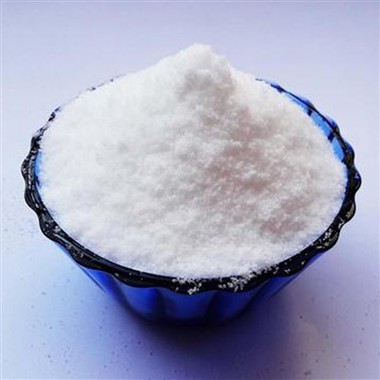
Use of anhydrous sodium sulfate in glass production process
Apr 29, 2024
The key role of anhydrous sodium sulfate in glass production
Anhydrous sodium sulfate plays various roles in glass production, mainly serving as a flux and clarifying agent. As a flux, it helps to melt raw materials at lower temperatures, thereby reducing energy consumption and operating costs. In addition, its role as a clarifying agent helps to clarify molten glass, eliminate impurities and bubbles, and improve clarity and purity.
Application technology and dosage considerations
In glass manufacturing, anhydrous sodium sulfate is strategically introduced into glass batches during the mixing stage. The dosage of this compound depends on several factors, including the specific composition of the glass formulation, required product characteristics, and operating parameters. Through advanced equipment and meticulous control systems, precise batching and uniform distribution have been achieved, ensuring the optimal performance of the entire production process.
The advantages of anhydrous sodium sulfate
The use of anhydrous sodium sulfate in glass production has many benefits:
Improving efficiency: By reducing the melting temperature, anhydrous sodium sulfate improves the efficiency of glass melting, thereby reducing energy consumption and increasing productivity.
Improving glass quality: The presence of anhydrous sodium sulfate helps to produce high-quality glass products, characterized by increased transparency, reduced defects, and improved chemical durability.
Cost effectiveness: By improving efficiency and excellent product quality, the addition of anhydrous sodium sulfate has brought tangible cost savings to glass manufacturers, enhancing their competitiveness in the market.
Environmental factors and sustainability
Anhydrous sodium sulfate, due to its non toxicity and biodegradability, complies with environmental sustainability initiatives. Its application in glass production helps optimize manufacturing processes, thereby minimizing energy consumption and environmental impact.
conclusion
The use of anhydrous sodium sulfate in glass production is the cornerstone of modern manufacturing practices, providing indispensable benefits in terms of efficiency, quality, and sustainability. As the demand for high-performance glass products continues to grow, the role of anhydrous sodium sulfate remains crucial as it drives innovation in the glass industry and shapes its future.