

What is the melting point of Propyl Glycol?
Dec 25, 2025
Propyl glycol, also known as 1,2 - propanediol, is a versatile chemical compound with a wide range of applications in various industries. As a supplier of propyl glycol, I often encounter questions from customers about its properties, and one of the most common inquiries is about its melting point. In this blog post, I will delve into the details of the melting point of propyl glycol, its significance, and how it relates to the product's quality and usage.
Understanding the Melting Point of Propyl Glycol
The melting point of a substance is the temperature at which it changes from a solid to a liquid state. For propyl glycol, the generally accepted melting point is approximately -59 °C (-74.2 °F). This low melting point indicates that propyl glycol remains in a liquid state under most common environmental conditions. The chemical structure of propyl glycol, with its two - hydroxyl groups (-OH) on adjacent carbon atoms in the propane backbone, contributes to its relatively low melting point. The interaction between these hydroxyl groups and the rest of the molecule, as well as the intermolecular forces such as hydrogen bonding, play a crucial role in determining its physical state at different temperatures.
The low melting point of propyl glycol makes it highly useful in applications where a liquid form is required even in cold environments. For example, in the pharmaceutical industry, propyl glycol is used as a solvent for many drugs. Its ability to remain liquid at low temperatures ensures that it can effectively dissolve active ingredients and maintain the stability of the pharmaceutical formulations. In the food and beverage industry, propyl glycol is used as a humectant, solvent, and flavor carrier. The low melting point allows it to be easily incorporated into products and helps in maintaining the desired texture and consistency.
Factors Affecting the Melting Point
While the standard melting point of propyl glycol is around -59 °C, there are several factors that can cause slight variations. One of the main factors is the purity of the propyl glycol. Impurities in the propyl glycol can disrupt the regular arrangement of the molecules, making it more difficult for the substance to transition from a solid to a liquid state. As a result, impure propyl glycol may have a slightly higher melting point or a broader melting range. A high - quality propyl glycol product with a purity of over 99% will closely match the standard melting point, while a lower - purity product may deviate from it.
Another factor that can affect the melting point is the presence of other substances in a solution. When propyl glycol is mixed with other chemicals, the intermolecular forces between the different molecules can change, altering the overall melting behavior. For instance, if propyl glycol is mixed with a substance that has a high melting point and strong intermolecular forces, the resulting mixture may have a different melting point compared to pure propyl glycol. In industrial applications, where propyl glycol is often used in formulations with other chemicals, it is important to consider these interactions to ensure the proper performance of the end - product.
Importance of the Melting Point in Quality Control
As a propyl glycol supplier, the melting point is an important parameter in quality control. By accurately measuring the melting point of our propyl glycol products, we can verify their purity and ensure that they meet the required standards. We use advanced analytical techniques, such as differential scanning calorimetry (DSC), to precisely determine the melting point of our propyl glycol. This method provides a clear and reproducible measurement of the temperature at which the phase transition occurs.
If the measured melting point of our propyl glycol does not match the expected value, it signals a potential quality issue. It could indicate the presence of impurities, improper manufacturing processes, or storage conditions that have affected the product. In such cases, we take immediate steps to investigate the cause and rectify the problem. This ensures that our customers receive high - quality propyl glycol that is suitable for their specific applications.
Applications in Different Industries Based on the Melting Point
In the cosmetics and personal care industry, the low melting point of propyl glycol is a key advantage. It is used in products such as lotions, creams, and hair care products. Since these products are often stored and used at room temperature, the ability of propyl glycol to remain liquid ensures that it can provide moisturizing properties and help in the dispersion of other ingredients. It also helps in preventing the formation of crystals or solid deposits in the products, which could affect their appearance and usability.
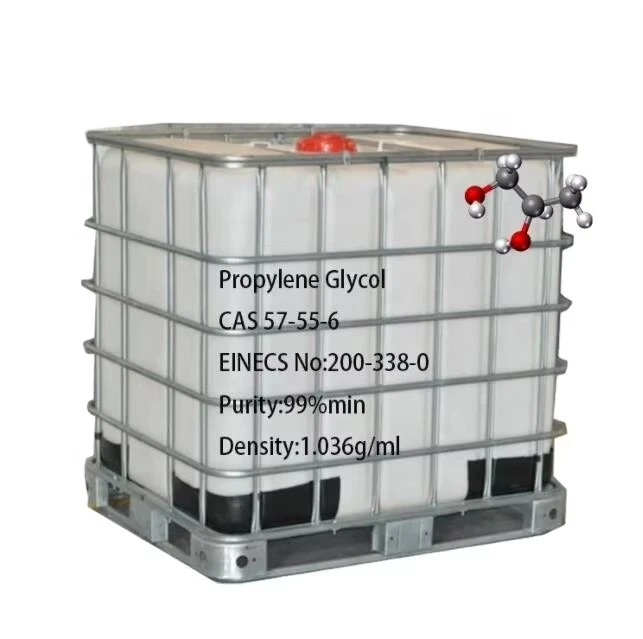
In the antifreeze and coolant industry, the low melting point of propyl glycol is crucial. It is used in the formulation of automotive coolants and industrial antifreeze solutions. Propyl glycol - based coolants can protect the cooling systems of vehicles and industrial equipment from freezing even in extremely cold climates. Its low melting point allows the coolant to flow freely and transfer heat effectively, preventing damage to the engines and other components due to freezing.
Related Chemicals and Their Applications
In addition to propyl glycol, there are other chemicals in the fine - chemicals market that are also important. PHOSPHOROUS ACID is a key industrial chemical. It is used in the production of various organophosphorus compounds, which have applications in flame retardants, pesticides, and water treatment. O - Cresol is another important chemical. It is used in the synthesis of fragrances, antioxidants, and disinfectants. And Mannitol Powder is widely used in the food, pharmaceutical, and cosmetic industries as a sweetener, excipient, and moisturizer.
Conclusion and Invitation for Purchase
Understanding the melting point of propyl glycol is essential for both suppliers and customers. It provides valuable insights into the physical properties of the product, which in turn affects its quality, performance, and suitability for different applications. As a trusted propyl glycol supplier, we are committed to providing high - quality products that meet the strictest standards. Our propyl glycol has a consistent melting point that reflects its purity and excellence.
If you are looking for a reliable source of propyl glycol for your industry needs, whether it's in pharmaceuticals, cosmetics, antifreeze, or other applications, we are here to assist you. We have the expertise and resources to offer customized solutions based on your specific requirements. Contact us for further inquiries and let's start a productive dialogue about your propyl glycol procurement needs.
References
- CRC Handbook of Chemistry and Physics, 99th Edition.
- Introduction to Organic Chemistry, Fourth Edition by Paula Yurkanis Bruice.
- Industrial Chemicals: Properties, Applications, and Manufacturing Processes by John Smith.