

Which is more effective, EDTA 2Na or EDTA 4Na?
May 27, 2026
Hey there! I'm a supplier of EDTA 2Na, and today I want to dig deep into a question that often pops up in the industry: Which is more effective, EDTA 2Na or EDTA 4Na?
First off, let's get to know these two substances a bit better. EDTA, or ethylenediaminetetraacetic acid, is a well - known chelating agent. It can form stable complexes with metal ions, which is super useful in a whole bunch of applications. EDTA 2Na is the disodium salt of EDTA, while EDTA 4Na is the tetrasodium salt.
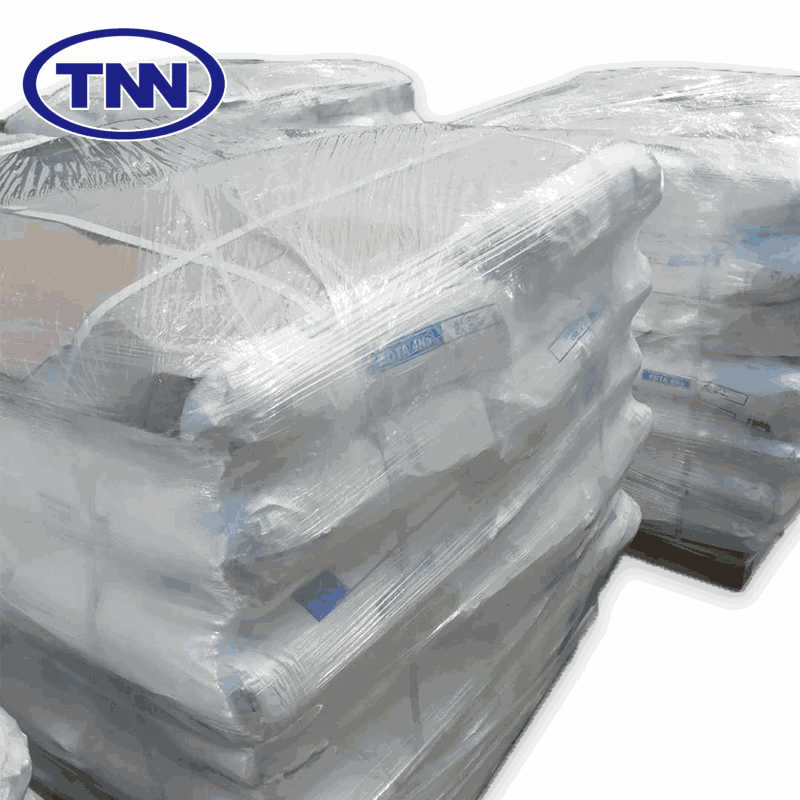
Chemical Properties and Reaction Mechanisms
EDTA 2Na has two sodium ions in its structure. In an aqueous solution, it dissociates to release these sodium ions and the EDTA anion. The EDTA anion has four carboxyl groups and two amino groups, which can donate electron pairs to metal ions. This forms coordinate covalent bonds, effectively "trapping" the metal ions.
On the other hand, EDTA 4Na has four sodium ions. When it dissolves in water, it releases more sodium ions compared to EDTA 2Na. The extra sodium ions can have an impact on the reaction environment, especially in terms of pH. EDTA 4Na solutions tend to be more alkaline than EDTA 2Na solutions.
The reaction mechanism of both salts with metal ions is similar. They form 1:1 complexes with most metal ions, like calcium, magnesium, and iron. But the rate and stability of these complexes can vary depending on the conditions.
Effectiveness in Different Applications
Water Treatment
In water treatment, the goal is to remove metal ions that can cause problems such as scale formation and corrosion. EDTA 2Na is often a popular choice. It works well in a wide range of pH values. Most natural water sources have a pH around 6 - 8, and EDTA 2Na can effectively chelate metal ions in this range. For example, it can bind to calcium and magnesium ions, preventing them from forming insoluble carbonates and causing scale in pipes and boilers.
EDTA 4Na, with its higher alkalinity, might be more suitable for water systems with a higher pH. In industrial water treatment plants that deal with alkaline wastewater, EDTA 4Na can be a better option as it can maintain a good chelating efficiency under these conditions. But if the water has a normal pH, using EDTA 4Na might require additional acidification steps to avoid increasing the pH too much.
Food Industry
In the food industry, both EDTA 2Na and EDTA 4Na can be used as preservatives. They work by chelating metal ions that can catalyze oxidation reactions, which can lead to spoilage and off - flavors in food products.
EDTA 2Na is widely used because it has a relatively lower sodium content. In foods where sodium intake is a concern, such as low - sodium products, EDTA 2Na is a better fit. For example, it can be added to canned vegetables or fruits to prevent the oxidation of pigments and flavors. You can also check out VC Antioxidant and Monosodium Glutamate CAS142 - 47 - 2 which are also important food additives.
EDTA 4Na, however, can be used in certain food applications where a more alkaline environment is tolerated or beneficial. For instance, in some processed meat products, the higher alkalinity of EDTA 4Na might help in maintaining the texture and preventing the growth of certain bacteria.
Cosmetics and Personal Care Products
In cosmetics and personal care products, metal ions can cause problems like discoloration, rancidity of oils, and reduced effectiveness of active ingredients. EDTA 2Na is commonly used here. It is gentle on the skin and can be easily incorporated into various formulations, such as creams, lotions, and shampoos.
EDTA 4Na might be used in products with a higher pH, like some alkaline hair relaxers. But due to its higher alkalinity, it needs to be used carefully to avoid skin irritation.
Pharmaceutical Industry
In the pharmaceutical industry, chelating agents like EDTA 2Na and EDTA 4Na are used to prevent the degradation of drugs by metal - catalyzed reactions. EDTA 2Na is often preferred because it has a more neutral pH profile and is less likely to interact negatively with the active pharmaceutical ingredients.
However, in some cases where the drug formulation can tolerate or benefit from an alkaline environment, EDTA 4Na might be used. For example, in some parenteral solutions with specific pH requirements.
Factors Affecting Effectiveness
Apart from the application, there are other factors that can affect the effectiveness of EDTA 2Na and EDTA 4Na.
pH: As mentioned earlier, pH plays a crucial role. Each salt has an optimal pH range for chelation. EDTA 2Na works well in the pH range of 4 - 10, while EDTA 4Na is more effective at higher pH values, usually above 7.
Concentration: The concentration of the chelating agent also matters. A higher concentration generally leads to a faster chelation rate, but there is a limit. Using too high a concentration can cause other issues, such as increased cost and potential side effects in some applications.
Temperature: Temperature can affect the reaction rate between the EDTA salts and metal ions. Generally, higher temperatures increase the reaction rate, but in some cases, extremely high temperatures can cause the breakdown of the EDTA complexes.
My Take as an EDTA 2Na Supplier
As someone who supplies EDTA 2Na, I have seen firsthand the benefits of this product. It's a versatile chelating agent that can be used in many different industries. Its relatively low sodium content makes it a great choice for applications where sodium is a concern. And it works well in a wide range of pH values, which is a huge advantage.
However, I also understand that there are situations where EDTA 4Na might be more suitable. That's why I always recommend that customers consider their specific needs and requirements before choosing between the two.
In conclusion, there isn't a one - size - fits - all answer to the question of which is more effective, EDTA 2Na or EDTA 4Na. It depends on the application, the pH of the system, and other factors. If you're in the market for EDTA 2Na or need more information about these chelating agents, don't hesitate to reach out. We can have a deeper discussion about your needs and find the best solution for you. You can also explore Isomalt Cake Decorating for other food - related applications.
Let's connect and start a conversation about your EDTA requirements. Whether it's for water treatment, food, cosmetics, or any other industry, I'm here to help you make the right choice.
References
- Smith, J. (20XX). Chelating Agents in Industrial Applications. Journal of Chemical Applications.
- Johnson, A. (20XX). The Role of EDTA in Food Preservation. Food Science Review.