

Are there any side - effects of using feed additives?
Jan 15, 2026
Hey there! I'm a supplier of feed additives, and today I wanna chat about a hot topic: Are there any side - effects of using feed additives?
Let's first understand what feed additives are. They're substances added to animal feed in small amounts to improve the quality of the feed, enhance animal performance, or maintain animal health. Sounds great, right? But like everything in life, there can be a flip side.
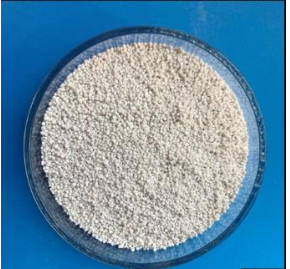
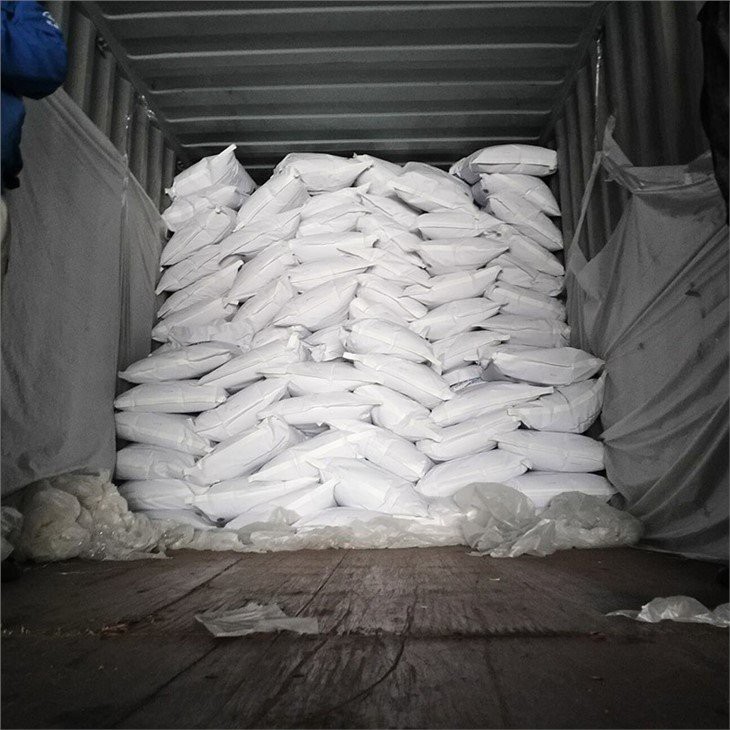
One major concern is the potential for residues. When animals consume feed with additives, some of those additives or their metabolites can end up in the animal products we consume, like meat, milk, and eggs. For instance, certain antibiotics used as growth - promoting additives in the past led to the presence of antibiotic residues in animal products. This isn't just a problem for the consumers' health but also contributes to the development of antibiotic - resistant bacteria.
However, things have changed a lot in recent years. The use of antibiotics as growth - promoting agents has been restricted or banned in many countries. And most modern feed additives undergo strict safety assessments before they're allowed on the market.
Now, let's look at some of the common feed additives I supply.
TNN Calcium Propionate
TNN Calcium Propionate is a popular feed additive. It acts as a mold inhibitor, which helps to keep the feed fresh and free from mold growth. This is crucial because moldy feed can cause a variety of health problems in animals, such as respiratory issues, reduced feed intake, and even organ damage.
The good news is that TNN Calcium Propionate is generally recognized as safe. It's a natural compound that can be found in some foods, even in our bodies to a certain extent. When used according to the recommended dosage, it doesn't have any significant side - effects. You can find more about TNN Calcium Propionate on our website.
It works by creating an environment in the feed that's unfavorable for mold growth. The calcium propionate dissociates into propionic acid in the lower pH environment of the feed, and the propionic acid inhibits the growth of mold and other fungi. However, if it's over - used, it can potentially alter the pH of the feed too much. This might cause some issues with the digestive system of the animals, such as reduced digestion efficiency or irritation in the gut. But this is a rare scenario when the dosage is way off the recommended level.
EDTA 2Na Good Quality
EDTA 2Na is another additive I deal with. It's mainly used as a chelating agent. In simple terms, it binds to metal ions in the feed. This is important because some metal ions, like iron, copper, and zinc, can catalyze oxidation reactions in the feed, leading to the spoilage of fats and vitamins in the feed.
EDTA 2Na Good Quality helps to improve the stability of the feed and the bioavailability of minerals. When used at the right levels, it doesn't pose any major risks. But if excessive amounts are added, it can bind to essential minerals in the animal's body as well. This can lead to a deficiency of those minerals in the animal over time. For example, if it binds too much calcium, it might affect the bone development and eggshell quality in laying hens.
MDCP
MDCP, or Monocalcium phosphate, is a source of phosphorus and calcium for animals. Phosphorus is essential for many physiological processes in animals, including bone formation, energy metabolism, and cell membrane structure. Calcium is also crucial for bone health, muscle contraction, and nerve function.
When animals don't get enough phosphorus or calcium from their normal diet, MDCP can come to the rescue. You can find more information about MDCP on our website. But if the dosage of MDCP is not carefully controlled, there can be problems. Excessive phosphorus intake can disrupt the calcium - phosphorus balance in the animal's body. This can lead to issues like reduced calcium absorption, which in turn can cause weak bones, lameness, and other skeletal disorders.
So, as you can see, while feed additives can be extremely beneficial, there is a need for proper use. It's all about finding that sweet spot of the right dosage.
At our company, we're committed to providing high - quality feed additives that are safe and effective. We work closely with veterinarians and animal nutritionists to ensure that our products are used in the best possible way. We offer detailed usage instructions and support to our customers.
If you're in the business of animal farming or feed production, and you're interested in using our feed additives, we'd love to have a chat with you. We can discuss your specific needs, the right additives for your situation, and how to use them safely. Whether you're raising chickens, pigs, cows, or any other livestock, we've got solutions for you.
Don't hesitate to reach out to us for more information or to start a procurement discussion. We're here to help you make the most of feed additives while keeping your animals healthy and productive.
References
- "Feed Additives: Principles and Practice" by John P. Ferket
- Journal of Animal Science research articles on feed additives and their safety
- Reports from international food and agriculture organizations on feed additive regulations