

What are the industrial applications of caustic soda?
Jan 15, 2026
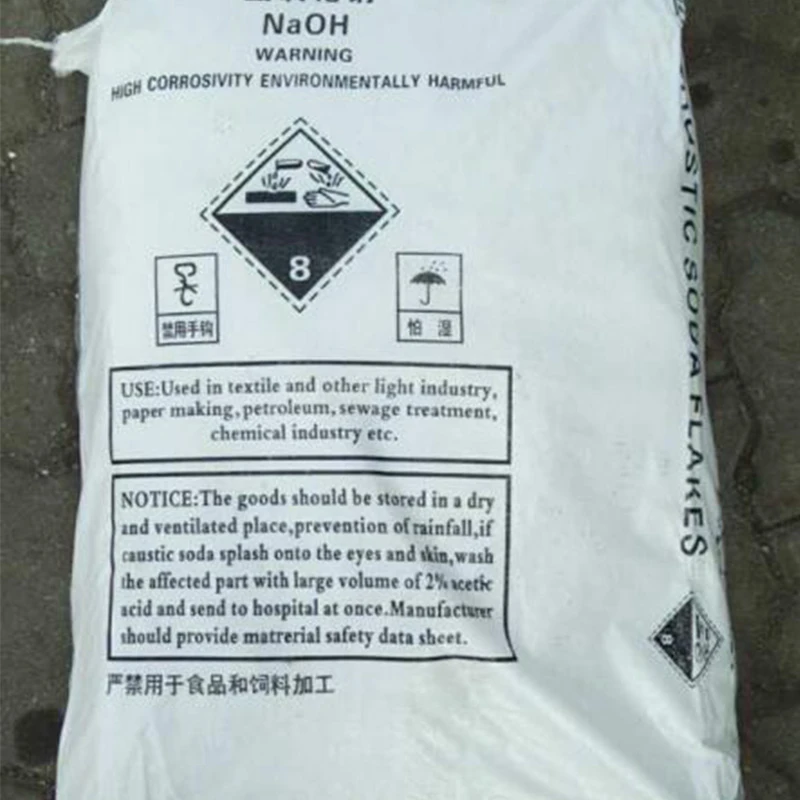
Caustic soda, also known as sodium hydroxide (NaOH), is a highly versatile and essential chemical compound with a wide range of industrial applications. As a leading caustic soda supplier, we understand the significance of this chemical in various sectors. In this blog post, we will explore the diverse industrial applications of caustic soda and how it contributes to the efficiency and quality of different manufacturing processes.
Pulp and Paper Industry
One of the primary applications of caustic soda is in the pulp and paper industry. Caustic soda plays a crucial role in the pulping process, where it is used to break down the lignin that binds the cellulose fibers in wood chips. This process, known as chemical pulping, produces high - quality pulp that can be used to make various types of paper products.
In the Kraft pulping method, caustic soda is combined with sodium sulfide to form an alkaline cooking liquor. This liquor penetrates the wood chips and dissolves the lignin, separating it from the cellulose fibers. After the pulping process, caustic soda is also used in the bleaching stage to remove any remaining colored impurities and brighten the pulp. The resulting pulp has excellent strength and whiteness, making it suitable for making newsprint, packaging materials, and high - grade printing papers.
Textile Industry
The textile industry is another major consumer of caustic soda. In textile processing, caustic soda is used for several purposes, including mercerization, scouring, and dyeing. Mercerization is a process in which cotton fibers are treated with a concentrated solution of caustic soda. This treatment causes the cotton fibers to swell, resulting in increased luster, strength, and dye affinity.
Scouring is a pre - treatment process that removes natural impurities, such as waxes, oils, and pectins, from the textile fibers. Caustic soda is used in the scouring solution to saponify the fats and oils, making them soluble in water and easy to remove. During the dyeing process, caustic soda is often used to adjust the pH of the dye bath, which helps in achieving better dye uptake and color fastness.
Soap and Detergent Industry
Caustic soda is a key ingredient in the production of soaps and detergents. In the soap - making process, caustic soda reacts with fats and oils in a process called saponification. This reaction breaks down the triglycerides present in fats and oils into glycerol and fatty acid salts, which are the main components of soap.
In the detergent industry, caustic soda is used to produce various types of surfactants, such as Sodium Lauryl Sulfate Powder. These surfactants are responsible for the cleaning action of detergents, as they reduce the surface tension of water and help to remove dirt and grease from fabrics and surfaces.
Water Treatment
Caustic soda is also widely used in water treatment plants. Its main function in water treatment is to adjust the pH of the water. Water with a low pH can be corrosive to pipes and equipment, while water with a high pH can cause scaling. By adding caustic soda to the water, the pH can be adjusted to a neutral or slightly alkaline level, which helps to prevent corrosion and scaling.
In addition, caustic soda is used to precipitate heavy metals from the water. When caustic soda is added to water containing heavy metal ions, such as lead, mercury, and cadmium, it forms insoluble metal hydroxides. These hydroxides can then be removed from the water by sedimentation or filtration, thus reducing the concentration of heavy metals in the treated water.
Chemical Manufacturing
Caustic soda is a fundamental chemical in the manufacturing of many other chemicals. For example, it is used in the production of Ammonium Bicarbonate Carbonate. In the chemical reaction, caustic soda reacts with ammonium salts to produce ammonia, which is then further reacted to form ammonium bicarbonate carbonate.
It is also used in the production of high - purity chemicals like High Purity Phosphoric Acid. Caustic soda can be used to neutralize acidic by - products or to control the pH of the reaction mixtures during the manufacturing process, ensuring the quality and purity of the final product.
Alumina Production
In the production of alumina from bauxite ore, caustic soda is an essential reagent. The Bayer process, which is the most widely used method for alumina production, involves dissolving bauxite in a hot, concentrated solution of caustic soda. The caustic soda reacts with the aluminum oxide in the bauxite to form soluble sodium aluminate.
After the dissolution process, the impurities in the bauxite, such as silica and iron oxide, are removed by precipitation. The sodium aluminate solution is then seeded with fine alumina crystals, which cause the aluminum hydroxide to precipitate out. The aluminum hydroxide is then calcined to produce alumina, which is used in the production of aluminum metal and other aluminum - based products.
Food Industry
Caustic soda has some applications in the food industry as well. It is used in the processing of certain foods, such as olives and cocoa. In olive processing, caustic soda is used to remove the bitterness from olives. The olives are soaked in a dilute solution of caustic soda, which helps to break down the oleuropein, the compound responsible for the bitter taste.
In cocoa processing, caustic soda is used in the Dutching process. This process involves treating cocoa beans or cocoa powder with an alkaline solution, usually containing caustic soda. The Dutching process reduces the acidity of the cocoa, enhances the flavor, and gives the cocoa a darker color.
Conclusion
As a caustic soda supplier, we are well - aware of the diverse and critical roles that caustic soda plays in various industries. From the production of paper and textiles to water treatment and food processing, caustic soda is an indispensable chemical.
If your business requires a reliable supply of high - quality caustic soda, we invite you to engage with us for procurement discussions. Our experienced team is well - equipped to understand your specific needs and provide tailor - made solutions to meet your industrial requirements. Let's collaborate to ensure the seamless operation of your manufacturing processes and the consistent quality of your end products.
References
- Kirk - Othmer Encyclopedia of Chemical Technology
- Ullmann's Encyclopedia of Industrial Chemistry
- "Industrial Chemicals: Their Preparation, Properties and Uses" by B. V. Trivedi