

Is Nisin heat - stable?
Jan 14, 2026
Nisin is a well - known natural antimicrobial peptide that has been widely used in the food industry for decades. As a Nisin supplier, I often encounter questions from customers about its various properties, and one of the most frequently asked questions is: "Is Nisin heat - stable?" In this blog post, I will delve into the science behind Nisin's heat stability, its implications for the food industry, and how it compares to other food additives.

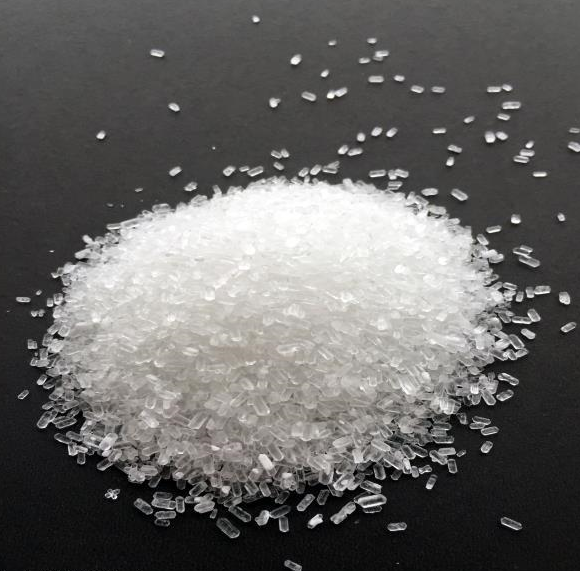
Understanding Nisin
Nisin is produced by certain strains of Lactococcus lactis, a lactic acid bacterium. It is a polycyclic antibacterial peptide that exhibits strong inhibitory activity against a wide range of Gram - positive bacteria, including many food - spoilage and pathogenic organisms such as Listeria monocytogenes, Staphylococcus aureus, and Bacillus cereus. Due to its natural origin and high efficacy, Nisin has been approved as a food additive in more than 50 countries and is commonly used in dairy products, canned foods, and processed meats.
Heat Stability of Nisin
The heat stability of Nisin is a crucial factor in its application in the food industry, as many food products undergo heat treatment processes such as pasteurization, sterilization, and cooking. Generally speaking, Nisin shows a certain degree of heat stability, but its stability can be influenced by several factors.
pH Value
The pH of the food matrix has a significant impact on the heat stability of Nisin. At acidic pH values (pH 2 - 4), Nisin is highly heat - stable. For example, in acidic foods like pickles or fruit juices, Nisin can withstand high - temperature treatments without significant loss of its antibacterial activity. Research has shown that at pH 2.0, Nisin can retain more than 90% of its activity after being heated at 121°C for 15 minutes. However, as the pH increases towards neutral or alkaline conditions, the heat stability of Nisin decreases rapidly. At pH 7.0, a large proportion of Nisin activity can be lost during heat treatment.
Heating Time and Temperature
The duration and intensity of heating also play important roles. Short - term high - temperature treatments may have less of an effect on Nisin compared to long - term lower - temperature treatments. For instance, a brief flash pasteurization process may cause minimal damage to Nisin, while a long - time retort sterilization at a relatively lower temperature could lead to a more substantial reduction in its activity. In some cases, when heated at 100°C for an extended period, say 30 minutes or more, the antibacterial activity of Nisin may decline significantly, especially in non - acidic environments.
Presence of Other Substances
The composition of the food product can affect Nisin's heat stability. Some substances may interact with Nisin and either enhance or reduce its stability. For example, certain salts and proteins can have a protective effect on Nisin during heat treatment. On the other hand, the presence of enzymes or other reactive compounds may accelerate the degradation of Nisin.
Comparison with Other Food Additives
When compared to other food additives, Nisin's heat stability has both advantages and limitations.
Magnesium Sulphate Heptahydrate
Magnesium Sulphate Heptahydrate is a common food additive used as a firming agent, pH regulator, and nutritional supplement. It is highly stable under a wide range of temperature and pH conditions. Unlike Nisin, its chemical structure is relatively simple and not easily affected by heat. However, Magnesium Sulphate Heptahydrate does not have antibacterial properties like Nisin. So, in applications where microbial control is a priority, Nisin may be a better choice despite its more complex heat - stability profile.
EDTA NA2H2Y 2H2O
EDTA NA2H2Y 2H2O is often used as a chelating agent in food products to prevent oxidation and discoloration. It is also quite stable under normal heat - processing conditions. Similar to Magnesium Sulphate Heptahydrate, it does not have direct antibacterial effects. Nisin, with its ability to inhibit the growth of bacteria, provides a different function in food preservation, and the two can be used in combination to achieve comprehensive food quality control.
Nicotinic Acid & Nicotinamide
Nicotinic Acid & Nicotinamide are used as vitamin supplements in food. They are relatively stable during heat treatment but do not have antimicrobial activity. Nisin, in contrast, offers the unique benefit of protecting food from bacterial spoilage, making it an essential additive in many food products where microbial safety is a major concern.
Implications for the Food Industry
The heat stability of Nisin has several important implications for the food industry.
Product Formulation
Food manufacturers need to carefully consider the heat - treatment processes of their products when using Nisin. In products that undergo high - temperature and long - time processing, such as some canned foods, formulators may need to adjust the pH of the product to an acidic range to enhance Nisin's heat stability. They can also explore the use of protective agents to minimize the degradation of Nisin during heating.
Shelf - Life Extension
The ability of Nisin to retain its antibacterial activity after heat treatment can significantly extend the shelf - life of food products. This is particularly important for perishable foods like dairy products and processed meats. By using Nisin, manufacturers can reduce the risk of microbial growth during storage and transportation, leading to less food waste and higher product quality.
Consumer Health
As a natural antimicrobial peptide, Nisin is generally considered safe for human consumption. Its use in heat - treated food products can help ensure the safety of the food supply by preventing the growth of harmful bacteria. This is beneficial for consumer health, especially in preventing food - borne illnesses caused by pathogens such as Listeria and Staphylococcus.
Conclusion and Call to Action
In conclusion, Nisin does show a certain level of heat stability, but its stability is highly influenced by factors such as pH, heating time and temperature, and the presence of other substances. Despite its limitations, Nisin remains a valuable food additive due to its natural origin and strong antibacterial properties.
If you are in the food industry and looking for a reliable Nisin supplier, we are here to meet your needs. Our high - quality Nisin products are carefully tested to ensure their effectiveness and stability. Whether you are formulating a new product or looking to improve the shelf - life of your existing ones, our team of experts can provide you with professional advice and support. Contact us for more information and to start discussing your procurement needs.
References
- Delves - Broughton, J., Blackburn, P., Evans, R. J., & Hugenholtz, J. (1996). Applications of the bacteriocin, nisin. Antonie van Leeuwenhoek, 70(1 - 4), 193 - 202.
- Thomas, L. V., Delves - Broughton, J., & Clark, S. (2000). The use of nisin in the food industry. International Journal of Food Microbiology, 55(1 - 3), 237 - 244.
- Yang, S., & Ray, B. (1994). Effect of pH, temperature, and time on stability of nisin. Journal of Food Protection, 57(10), 864 - 867.