

How does dextrose behave in different temperatures?
Dec 30, 2025
Hey there! I'm a dextrose supplier, and I've spent a lot of time exploring how dextrose behaves under different temperatures. It's not just a simple sugar; its properties can change quite a bit depending on the heat or cold it's exposed to.
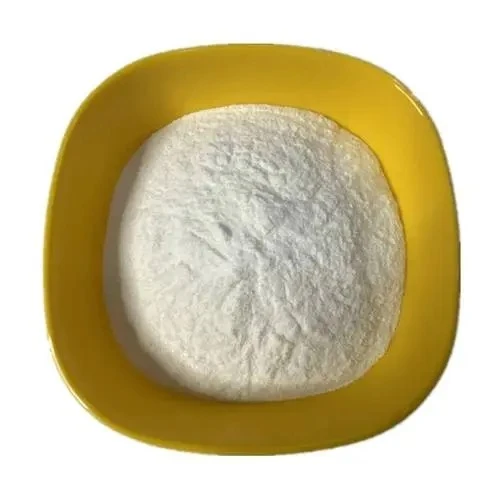
First off, let's talk about what dextrose is. In simple terms, dextrose is just another name for glucose, which is a basic carbohydrate that our bodies use as a primary energy source. It's a natural sugar found in many fruits and honey, and it's also produced commercially from starch. As a supplier, I've seen dextrose used in all sorts of industries, from food and beverage to pharmaceuticals and even cosmetics.
Dextrose at Low Temperatures
When we start to look at dextrose in cold conditions, one of the first things we notice is its solubility. At lower temperatures, the solubility of dextrose in water decreases. That means less dextrose can dissolve in a given amount of water as the temperature drops. This is important for industries that use dextrose in liquid products. For example, in the beverage industry, if a product containing dextrose is stored in a cold environment, there's a risk of the dextrose crystallizing out of the solution. This can affect the texture and appearance of the drink, making it look hazy or even having visible crystals at the bottom of the container.
Another aspect is the viscosity of dextrose solutions at low temperatures. As the temperature goes down, the viscosity of dextrose solutions increases. This is because the molecules move more slowly in the cold, and they start to interact with each other more strongly. In the food industry, this can be both an advantage and a challenge. For products like ice cream or frozen desserts, the increased viscosity can help in creating a smoother and creamier texture. However, it can also make it more difficult to handle and process the dextrose solutions during manufacturing.
Dextrose at Room Temperature
At room temperature (around 20 - 25°C), dextrose functions as a stable ingredient. It has a good solubility in water, which makes it easy to use in various recipes. In food products, it can act as a sweetener, providing a clean and mild sweetness that's similar to that of table sugar. It also has some humectant properties, which means it can help to keep foods moist. For example, in baked goods like cakes and cookies, dextrose can prevent them from drying out too quickly and keep them fresh for longer.
In the pharmaceutical industry, at room temperature, dextrose is often used as a carrier or excipient in medications. It can help to form the right shape and consistency of tablets or capsules, and it's also relatively stable and non - reactive under normal room conditions. As a supplier, I get a lot of orders for dextrose for these types of applications.
Dextrose at High Temperatures
When dextrose is exposed to high temperatures, some interesting chemical reactions start to occur. One of the most well - known reactions is the Maillard reaction. This is a chemical reaction between amino acids and reducing sugars (like dextrose) that occurs when food is heated. It results in the characteristic browning and flavor development in cooked foods. For example, when you're baking bread or roasting a chicken, the Maillard reaction gives the crust its golden - brown color and delicious flavor.
However, if the temperature gets too high, dextrose can start to break down. At around 150 - 160°C, dextrose begins to caramelize. Caramelization is a process where the sugar breaks down and forms new compounds that give a characteristic caramel flavor and color. In the food industry, this can be used to create products like caramel candies or caramel - flavored syrups. But if the temperature goes even higher, dextrose can start to decompose further, producing carbon dioxide, water, and other by - products. This can be a problem in some manufacturing processes, as it can affect the quality and consistency of the final product.
Applications in Different Industries Based on Temperature Behavior
In the food and beverage industry, understanding how dextrose behaves at different temperatures is crucial. For cold drinks, manufacturers need to take into account the reduced solubility at low temperatures to avoid crystallization. They might adjust the formulation or add other ingredients to improve the stability of the dextrose in the solution. On the other hand, for baked goods, the Maillard reaction and caramelization properties of dextrose at high temperatures are used to create the desired flavor and appearance.
In the pharmaceutical industry, the stability of dextrose at room temperature is a major advantage. It can be stored and transported without significant changes in its properties. However, during the manufacturing process, where high - temperature steps might be involved, care must be taken to prevent the breakdown of dextrose.
Related Products and Their Temperature Considerations
As a dextrose supplier, I also deal with other related food additives. For example, Xanthan Gum 200 Mesh Food Grade. Xanthan gum is a thickening and stabilizing agent. Its performance can also be affected by temperature. At low temperatures, its thickening ability might be reduced, while at high temperatures, it can start to break down and lose its effectiveness.
Another product is Aseptic Tomato Paste. The paste contains natural sugars, including dextrose. During the processing and storage, temperature control is essential. If it's stored at too high a temperature, the dextrose and other components in the paste can start to react, leading to changes in color, flavor, and texture.
Glycerol Monostearate is a common emulsifier. It can interact with dextrose in food formulations. The melting point of glycerol monostearate is around 55 - 60°C. At temperatures above its melting point, it can affect the dispersion and stability of dextrose in a product.
Wrapping Up and Invitation
So, as you can see, the behavior of dextrose at different temperatures is quite complex and has a big impact on its applications in various industries. Whether you're in the food, beverage, pharmaceutical, or cosmetic business, understanding these temperature - related properties can help you create better products.
If you're interested in sourcing high - quality dextrose or any of the other products I mentioned, I'm here to help. I've got the knowledge and the supply to meet your needs. Just reach out, and let's start a conversation about how we can work together to make your products even better.
References
- "Food Chemistry" by H. - D. Belitz, W. Grosch, and P. Schieberle.
- "Pharmaceutical Dosage Forms: Tablets" by H. A. Lieberman, L. Lachman, and J. B. Schwartz.
- Technical literature from various food and pharmaceutical ingredient manufacturers.